Unlock Peak Efficiency: Dental Hygienist’s Guide to Flawless Patient Records

webmaster

치과위생사 환자 기록 관리 팁 - Here are three detailed image prompts in English, designed for image generation with a focus on prof...

Hey there, fellow dental pros! In our bustling days, it’s easy to feel like patient record management is just another item on a never-ending to-do list, but let me tell you, it’s so much more.

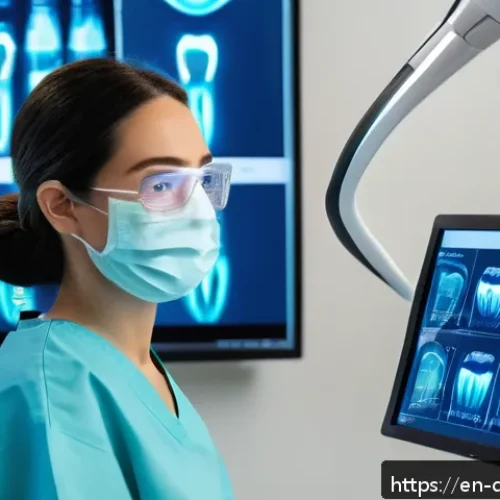
치과위생사 환자 기록 관리 팁 관련 이미지 1

From my own experience, I’ve seen firsthand how meticulously kept digital records are the unsung heroes of outstanding patient care, smooth practice operations, and even navigating those tricky legal landscapes.

With cutting-edge AI transforming how we chart and manage data, freeing us up to focus on what truly matters—our patients—the game is changing fast! Secure, organized, and smart record-keeping isn’t just a best practice; it’s our superpower in today’s digital dental world.

Let’s dive into some truly game-changing tips that will elevate your role and empower your practice.

Embracing the Digital Frontier: Why Go Paperless?

You know, for years, I saw dental practices buried under mountains of paper charts. It wasn’t just messy; it was a constant source of stress. The frantic search for a misfiled chart, the worry about a coffee spill ruining vital patient history, or simply the sheer volume taking over valuable office space – sound familiar? I’ve personally experienced the relief that washes over you when you realize those days are firmly in the rearview mirror. Moving to digital patient records isn’t just about being modern; it’s about transforming your practice into a streamlined, stress-free haven. It frees up your team from tedious administrative tasks, allowing them to focus on what they do best: providing exceptional patient care and building meaningful relationships. Plus, think about the positive impression it leaves on patients when they see a sleek, organized, and technologically advanced practice. It immediately elevates your perceived professionalism and commitment to their well-being. From reducing the risk of human error to drastically cutting down on physical storage costs, the transition truly is a game-changer. It’s an investment that pays dividends not just in efficiency, but in peace of mind.

The Frustration of Physical Files

Honestly, who hasn’t felt that pang of dread when a patient walks in and their paper chart is nowhere to be found? I remember one time, just starting out, a colleague spent an entire lunch break sifting through archives for a single chart that was misplaced. The patient was already in the chair, and the tension was palpable. It’s not just the lost time; it’s the immediate drop in patient confidence and the impact on their overall experience. Beyond the occasional vanishing act, the physical wear and tear on paper records can compromise legibility, making crucial diagnostic notes or treatment plans harder to decipher over time. And let’s not even get started on the security risks – a file cabinet isn’t exactly Fort Knox against unauthorized access or natural disasters. My own practice used to dedicate an entire room to old charts, and looking back, it feels like such an antiquated, resource-draining approach. It truly makes you wonder how we ever managed without the instant accessibility of digital. The environmental impact of all that paper was also something that started to weigh on me personally.

Unlocking Efficiency and Accuracy

Once you make the leap to digital, the difference in efficiency is astounding. I mean, truly. Imagine pulling up a complete patient history, including X-rays, treatment plans, and notes, with just a few clicks. That’s the reality. This immediate access allows for quicker diagnostics, more informed treatment decisions, and a far smoother patient flow through the office. For me, the accuracy jump was huge. Digital systems often include built-in checks and standardized templates that minimize errors and ensure consistency in record-keeping. No more deciphering messy handwriting or wondering if a critical piece of information was overlooked. Plus, with integration capabilities, patient data can flow seamlessly between different modules – from scheduling and billing to clinical charting – reducing duplicate data entry and the associated risks. It’s like having an extra pair of highly efficient hands working silently in the background, constantly ensuring everything is where it should be, perfectly legible, and ready when you need it.

Environmental Perks and Practice Appeal

Beyond the operational benefits, going paperless has a fantastic side effect: it’s great for the environment, and it really boosts your practice’s image. Patients today are increasingly conscious of sustainability, and demonstrating your commitment to eco-friendly practices can be a real differentiator. I’ve had patients specifically comment on how much they appreciate our paperless approach, mentioning it as one of the reasons they chose our practice. It sends a message that you’re forward-thinking and responsible. Plus, the sheer aesthetic of a paper-free office is undeniably more modern and inviting. No more overflowing filing cabinets or stacks of charts on counters; just clean, organized spaces that project an air of calm professionalism. It truly feels good to know you’re not just improving your internal operations but also contributing positively to a larger cause. It creates a better working environment for your team too, reducing clutter and promoting a more organized workflow.

Seamless Integration: Unlocking Software Superpowers

Alright, so you’ve decided to go digital – fantastic! But now comes the really exciting part: choosing and integrating the right software. This isn’t just about picking any system; it’s about finding that perfect partner that truly enhances your daily operations. I’ve personally seen practices struggle because they picked a system that didn’t quite fit their unique workflow, leading to more headaches than solutions. On the other hand, when you get it right, it feels like you’ve unlocked superpowers for your entire team. The goal is a system that talks to itself, if you will – where patient data entered in one module automatically populates in others, eliminating repetitive tasks and significantly cutting down on errors. It’s about creating a harmonious digital ecosystem where everything works together, from scheduling appointments and confirming insurance to charting procedures and managing recalls. A well-integrated system is more than just a collection of features; it’s the backbone of an efficient, modern dental practice, making everyone’s job easier and allowing for a level of consistency and accuracy that was simply impossible with analog methods. Believe me, the right software makes all the difference in your team’s daily happiness and productivity.

Choosing the Right Practice Management System

This is probably one of the most crucial decisions you’ll make in your digital transformation journey. It’s not a one-size-fits-all situation, and I’ve learned that the hard way. What works for a large multi-specialty clinic might overwhelm a small family practice. My advice? Start by evaluating your specific needs. What are your biggest pain points right now? Is it scheduling? Billing? Clinical charting? Look for a system that offers robust features in those areas. Don’t be swayed by every bells and whistles; prioritize what truly matters for your practice’s efficiency and patient care. Also, consider the user interface. Is it intuitive? Will your team find it easy to navigate after training? A clunky system, no matter how powerful, will only lead to frustration and underutilization. I’d strongly recommend getting demos from several vendors, letting your key team members test them out, and asking about their customer support and ongoing updates. A good support system is invaluable, especially during the initial transition period. You’re not just buying software; you’re investing in a partnership.

Streamlining Workflows with Smart Features

The beauty of modern practice management software lies in its ability to automate and streamline tasks that used to eat up so much time. Think about automated appointment reminders that reduce no-shows, or electronic insurance claim submissions that drastically speed up payment processing. I’ve found that features like customizable charting templates can revolutionize how quickly and accurately dental hygienists document patient conditions. Instead of scribbling notes and then transcribing them, you can input data directly into the system, often with pre-set codes and smart prompts. This not only saves time but also ensures a higher level of detail and consistency across all patient records. The ability to quickly generate reports on everything from production to patient demographics can also provide invaluable insights for practice growth and decision-making. These smart features aren’t just conveniences; they’re powerful tools that empower your team to work more efficiently, reduce administrative burden, and ultimately, focus more on patient interaction and clinical excellence. It’s about working smarter, not harder.

The Power of Interoperability

True efficiency in a digital dental practice comes from a system where all components communicate seamlessly. This is what we call interoperability, and it’s a game-changer. Imagine your intraoral camera instantly uploading images directly into the patient’s digital chart, or your digital X-ray system sending its scans directly to be stored alongside clinical notes. When your practice management software, imaging software, and even patient communication tools are integrated, it creates a unified patient record that is always up-to-date and accessible from any authorized workstation. This eliminates the need for manual transfers of files, reduces the risk of data loss, and ensures that every member of the dental team has access to the most current and comprehensive patient information. I’ve personally seen how this transforms patient consultations; having all relevant data immediately available allows for more thorough explanations, better patient understanding, and ultimately, more informed consent. It builds trust and confidence, making the patient feel truly cared for and understood throughout their entire journey with your practice.

Advertisement

Beyond Just Data: Patient Privacy and Security in the Digital Age

Okay, let’s talk about something incredibly serious: patient privacy and the security of those precious digital records. It’s not just about protecting data; it’s about upholding the trust our patients place in us, and frankly, it’s a legal minefield if you’re not careful. When I first transitioned to digital, the sheer responsibility of keeping everything secure was a little daunting, I won’t lie. But you quickly realize it’s not just an IT problem; it’s a practice-wide commitment. In today’s digital landscape, protecting patient information from breaches, hacks, and unauthorized access is paramount. The consequences of a data breach can be devastating, not only financially through hefty fines but also to your practice’s reputation, which can take years to rebuild. We’re talking about highly sensitive personal and health information, and our duty is to safeguard it with the utmost care. This means understanding the legal requirements like HIPAA in the U.S. or GDPR in Europe, and then going above and beyond to implement robust security measures that protect against both external threats and internal slip-ups. It’s an ongoing process, requiring constant vigilance and education for everyone on your team. Because at the end of the day, a patient’s privacy isn’t just a policy; it’s a fundamental right that we, as healthcare providers, are honor-bound to protect.

Navigating HIPAA and Data Protection

For those of us in the U.S., HIPAA isn’t just a set of guidelines; it’s the law, and navigating its complexities is non-negotiable. It dictates how we store, transmit, and access protected health information (PHI), and non-compliance can lead to severe penalties. I remember when HIPAA first came into full effect, it felt like a monumental task to ensure every single process in our practice met the standards. But over time, with dedicated effort, it becomes second nature. It’s about understanding the nuances of patient consent, secure data sharing, and what constitutes a reportable breach. For my colleagues in other parts of the world, similar stringent data protection regulations exist, like GDPR, which has an even broader reach. The key is to stay informed about the specific regulations that apply to your practice and to routinely review your policies and procedures to ensure ongoing compliance. This isn’t a “set it and forget it” task; laws and interpretations can evolve, so continuous learning and adaptation are absolutely vital. It gives me peace of mind knowing that we’re doing everything by the book, and more, to protect our patients.

Implementing Robust Security Protocols

Beyond legal compliance, practically securing your digital records requires a multi-layered approach. Think of it like fortifying a castle. First, strong access controls are crucial. This means unique user IDs and strong passwords for every team member, regularly updated, and multi-factor authentication whenever possible. I’ve always emphasized the importance of never sharing login credentials; it’s a basic rule that can prevent so many issues. Then there’s encryption – making sure all patient data, whether at rest on your servers or in transit across networks, is encrypted. Regular data backups, stored securely off-site, are also non-negotiable. Imagine losing years of patient records due to a server crash or a natural disaster; it’s a nightmare scenario that proper backups can prevent. I also advise investing in reliable firewall protection and antivirus software, keeping them perpetually updated. Regular security audits, both internal and external, can identify vulnerabilities before they become problems. It might sound like a lot, but these measures are your best defense against data breaches and unauthorized access, protecting both your patients and your practice’s integrity.

Empowering Your Team with Best Practices

Ultimately, the strongest security protocols are only as good as the weakest link, and often, that link can be human error or lack of awareness. That’s why ongoing education and empowerment for your team are absolutely critical. I make it a point to hold regular training sessions, not just when we onboard new staff, but as continuous refreshers for everyone. We cover topics like recognizing phishing attempts, understanding the importance of secure Wi-Fi networks, proper disposal of electronic devices, and what to do in case of a suspected security incident. It’s about fostering a culture of security awareness where everyone understands their role in protecting patient data. I’ve found that when team members understand *why* these practices are important, not just *what* they need to do, they become much more diligent. Encouraging them to report any suspicious activity, no matter how small, without fear of reprimand, is also vital. A well-informed and vigilant team is your first and most effective line of defense against any potential security compromise. It transforms security from a chore into a collective responsibility.

Making the Most of AI: Smart Charting and Automation

When I first heard about AI making its way into dental record management, I’ll admit, I was a little skeptical. But folks, let me tell you, what I’ve seen and experienced has completely transformed my perspective. We’re not talking about robots taking over our jobs; we’re talking about incredibly smart tools that augment our abilities, allowing us to be more precise, efficient, and ultimately, provide better care. Imagine the time you spend charting, transcribing notes, or hunting for specific details in a patient’s history. AI-powered systems can now handle much of that heavy lifting, often with a level of accuracy and speed that’s simply impossible for a human to match consistently. It frees up dental hygienists, dentists, and administrative staff from mundane, repetitive tasks, letting them channel their energy into more complex clinical work and meaningful patient interactions. I’ve seen it firsthand how this technology can reduce burnout and increase job satisfaction among team members. It’s truly about enhancing human potential, not replacing it, and for me, that’s incredibly exciting for the future of dentistry. We’re moving beyond simple data entry into a realm of intelligent assistance.

Transforming Data Entry with AI Assistance

Think about the sheer volume of data we input daily – perio charting, restorative notes, existing conditions, treatment plans. It’s a lot! AI is stepping in to make this process incredibly efficient. I’ve been experimenting with systems that use voice recognition to directly input clinical notes, often adapting to my specific terminology and shortcuts over time. This means I can literally speak my observations and findings, and the system accurately transcribes and categorizes them into the patient’s digital chart. It’s like having a hyper-efficient scribe by your side, allowing you to maintain focus on the patient rather than fumbling with a keyboard. Some AI tools can even analyze previously entered data or images to suggest relevant diagnoses or treatment codes, reducing the chances of human error and ensuring comprehensive documentation. This capability is not just about speed; it’s about consistency and thoroughness. It ensures that critical details aren’t missed and that charting adheres to best practices, which in turn supports better clinical outcomes and stronger compliance. It truly shifts the burden from manual labor to intelligent support.

Predictive Insights for Proactive Care

This is where AI really starts to shine beyond just basic automation. Imagine a system that can analyze a patient’s historical data – their oral hygiene habits, past treatments, genetic predispositions, and even socioeconomic factors – and then flag them as being at a higher risk for certain conditions like periodontal disease or caries. This isn’t guesswork; it’s data-driven prediction. I’ve seen demonstrations where AI can identify patterns that even the most experienced clinician might overlook due to the sheer volume of information. This allows us to move from reactive treatment to proactive, preventative care. We can intervene earlier, offer targeted advice, and customize recall schedules based on individual risk profiles. For example, if a system identifies a patient with a combination of factors indicating high caries risk, we can initiate more frequent fluoride applications or dietary counseling before a major issue arises. This not only improves patient outcomes but also fosters a deeper level of trust, as patients see that we are genuinely invested in their long-term health. It’s truly a shift towards personalized, precision dentistry, and it’s thrilling to be a part of it.

Automating Routine Tasks to Save Time

Beyond charting and predictive analytics, AI is incredibly powerful for automating those mundane, repetitive administrative tasks that soak up so much valuable team time. Think about scheduling follow-up appointments, sending personalized recall messages, or even managing inventory for frequently used supplies. AI-powered tools can handle these tasks autonomously, learning from past interactions and adjusting as needed. For example, a smart scheduling system can optimize appointment books to minimize gaps and maximize chair time, even sending out appointment confirmations and reminders tailored to patient preferences. I’ve personally seen how this drastically reduces the administrative burden on my front desk team, freeing them up to focus on patient relations, answering complex queries, and creating a welcoming atmosphere. It’s not just about saving minutes here and there; it’s about freeing up hours of collective team time each week, which can then be reinvested into patient care, staff training, or practice development. This kind of automation is a true force multiplier for efficiency, allowing the human talent in your practice to be utilized where it truly matters most.

Advertisement

Training Your Team: The Key to a Smooth Transition

Look, adopting new technology, especially something as central as your patient record system, can feel like a huge mountain to climb. And honestly, it often is, if you don’t bring your team along for the journey. From my own experience, the biggest factor in a successful digital transition isn’t just the software itself; it’s the people using it. You could have the most cutting-edge system on the market, but if your team isn’t comfortable with it, doesn’t understand its benefits, or feels overwhelmed by the change, it’s going to fall flat. I’ve seen this happen in other practices, and it’s heartbreaking to witness the frustration. That’s why investing in thorough, ongoing training and truly listening to your team’s feedback is absolutely non-negotiable. It’s about more than just showing them how to click buttons; it’s about helping them understand *why* the change is beneficial, how it will make their jobs easier, and how it ultimately improves patient care. When your team feels empowered, supported, and excited about the new system, that’s when the magic truly happens. Their enthusiasm becomes contagious, influencing patients positively and ensuring a seamless, stress-free operation. Don’t underestimate the power of your team’s buy-in and proficiency; it’s the bedrock of your digital success.

Investing in Continuous Education

The learning doesn’t stop after the initial training session, and I can’t stress this enough. Software updates, new features, and evolving best practices mean that continuous education is vital. I always budget for ongoing professional development related to our practice management system. This could involve webinars, online tutorials, vendor-led advanced training sessions, or even bringing in an external consultant for a day. It ensures that everyone, from the front desk staff to the dental hygienists and dentists, stays up-to-date and proficient. I’ve found that shorter, more frequent training modules are often more effective than one long, overwhelming session. Also, creating internal “super-users” – team members who become exceptionally skilled in certain aspects of the software – can be incredibly beneficial. They can act as internal resources and troubleshooters, answering questions and supporting their colleagues, which reduces the reliance on external tech support for minor issues. This investment in knowledge isn’t an expense; it’s an investment in your practice’s long-term efficiency and your team’s confidence.

Fostering a Culture of Digital Competence

It’s not enough to just train; you need to cultivate an environment where digital competence is valued and continually developed. This means making it okay to ask questions, even seemingly “basic” ones, and encouraging experimentation within a safe, controlled environment. I always try to lead by example, openly learning new features myself and sharing my discoveries with the team. We’ve even dedicated specific times during our weekly meetings to discuss software tips, tricks, and any challenges people are facing. Celebrating small victories, like successfully implementing a new automation or mastering a complex charting feature, can also boost morale and encourage further engagement. The goal is to make using the digital system feel less like a chore and more like an integral, empowering part of their daily work. When team members feel confident and skilled, they’re more likely to embrace the technology fully and even suggest innovative ways to use it that you might not have considered. It’s about building a collective intelligence around your digital tools, making everyone feel like a valuable contributor to the practice’s technological advancement.

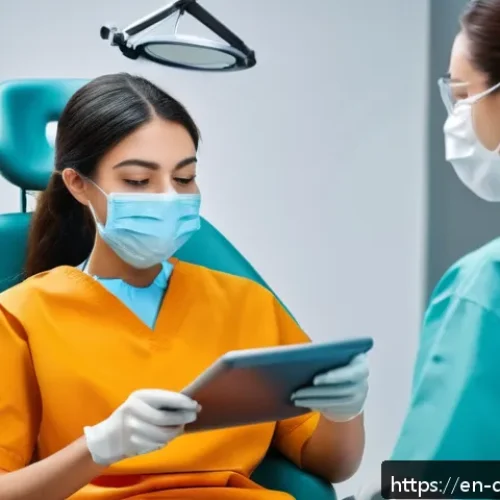
치과위생사 환자 기록 관리 팁 관련 이미지 2

Overcoming Resistance to Change

Let’s be real, change can be scary for some, and it’s completely natural for there to be some resistance. I’ve certainly encountered it. Some team members might be comfortable with the old paper system, while others might fear they aren’t tech-savvy enough. My approach has always been empathy and clear communication. First, acknowledge their concerns without dismissal. Listen to their fears and frustrations. Then, clearly articulate the *why* behind the change and paint a vivid picture of the benefits for *them* personally – less manual work, fewer errors, more time for patients, a smoother day. Show them how the new system directly addresses their current pain points. Hands-on practice in a low-pressure environment is also crucial; let them play around with the software before it goes live. Pair up less tech-confident individuals with those who are more enthusiastic to provide peer support. Celebrating early adopters and their successes can also create positive momentum. Remember, patience is key. It’s a marathon, not a sprint, and by providing consistent support and positive reinforcement, you can gently guide everyone towards embracing the new digital reality. When they finally experience the ease and efficiency, they’ll wonder how they ever managed without it.

The Legal Landscape: Compliance and Record Retention

Alright, let’s switch gears and talk about something that might not be the most glamorous part of digital record management, but it is absolutely critical: the legal side of things. I’m talking about compliance and knowing precisely how long you need to hang onto those digital patient records. Believe me, you do not want to be caught off guard here. I’ve heard horror stories of practices facing legal challenges or audits because their record-keeping wasn’t up to par, and it’s a situation no one wants to be in. The requirements for record retention vary significantly, not just from state to state here in the U.S., but also across different countries and even specific dental specialties. It’s a complex web, and misunderstanding it can lead to serious headaches, hefty fines, or even the inability to properly defend yourself in a malpractice claim. Having a robust, clearly defined policy for how long you keep records, how they’re stored, and how they can be accessed (or disposed of) is fundamental to protecting your practice. This isn’t just about avoiding legal trouble; it’s about demonstrating your professionalism and diligence as a healthcare provider. It’s a foundational piece of your practice’s integrity and risk management strategy, something that brings me immense peace of mind knowing we’re on solid ground.

Understanding State and Federal Regulations

Navigating the labyrinth of legal requirements for patient records can feel overwhelming, but it’s a necessity. Here in the U.S., each state often has its own specific regulations regarding dental record content, retention periods, and access protocols, which can sometimes differ from federal guidelines. For example, some states might require you to keep adult patient records for seven years post-last treatment, while pediatric records might need to be held until the patient reaches adulthood plus a certain number of years. It gets even more intricate if you practice across state lines or serve a diverse patient population. My own research involved a deep dive into our state dental board’s specific guidelines, along with consulting legal counsel specializing in healthcare. It’s not the kind of information you want to guess at. Staying current with these regulations is an ongoing commitment, as laws can and do change. I make it a point to regularly review official publications from our state dental association and relevant government bodies, ensuring our practices remain compliant. Ignorance is definitely not bliss when it comes to these critical legal obligations.

Crafting an Ironclad Retention Policy

Once you understand the regulatory landscape, the next step is to translate that into a clear, ironclad record retention policy for your practice. This policy should explicitly state how long different types of patient records will be maintained, considering both the legal minimums and any best practice recommendations from professional organizations. For instance, while state law might say seven years, your professional association might recommend ten. In those cases, I always err on the side of caution and go with the longer period. Your policy should also detail *how* these records are stored (digitally, of course!), how they are backed up, and the secure process for their eventual destruction or archival. This includes digital “shredding” protocols to ensure data is irrecoverable. I’ve found it incredibly helpful to create a detailed table for our team, outlining retention periods for different types of documents and patient ages. This clarity removes any ambiguity and ensures consistent adherence across the board. Having this written policy, accessible to all staff, is a testament to your commitment to legal compliance and professional responsibility, and it’s a huge asset if you ever face an audit or legal inquiry.

Record Type Minimum Retention Period (General Guidance, consult local laws) Best Practice Recommendation Reasoning
Adult Patient Clinical Records 7 years post-last treatment 10 years post-last treatment Covers most malpractice statute of limitations and insurance claim windows.
Minor Patient Clinical Records Until age of majority + 3-7 years Until age of majority + 10 years Allows for claims well into adulthood, considering extended minor statutes.
Radiographs (X-rays) Same as clinical records Indefinitely (digital storage allows) Crucial for long-term diagnosis, comparison, and legal defense.
Billing and Financial Records 7 years (for tax and audit purposes) 10 years Aligns with IRS and general financial audit requirements.
Consent Forms Same as clinical records Indefinitely Proof of informed consent for all procedures.

Preparing for Audits and Legal Challenges

No one *wants* an audit or a legal challenge, but being prepared for one is paramount. My philosophy is to always operate as if an auditor is looking over your shoulder. When your digital record-keeping is meticulously organized, consistently maintained, and easily accessible (to authorized personnel, of course), you’re already halfway there. This means ensuring that every entry is timestamped and attributed to the specific user, maintaining an audit trail of who accessed what and when. During an audit, you’ll likely need to demonstrate your compliance with privacy regulations, your security measures, and your record retention policies. Having all this documented and readily available in your digital system makes the process infinitely smoother. I’ve heard colleagues recount nightmares of sifting through boxes of old paper charts for an audit, and it just reinforces my belief in digital. For potential legal challenges, having comprehensive, legible, and easily retrievable records can be your strongest defense. It paints a clear picture of the care provided, the patient’s condition, and all communications. This level of meticulousness not only protects your practice but also upholds your professional reputation and gives you immense confidence should legal scrutiny ever arise. It’s about proactive protection.

Advertisement

Enhancing Patient Experience Through Smarter Records

At the end of the day, everything we do in a dental practice boils down to our patients, right? And I’ve found that one of the most unexpected yet profound benefits of meticulous digital record management is how dramatically it elevates the patient experience. It’s not just about what happens in the treatment chair; it’s about every single touchpoint, from the moment they first call for an appointment to their follow-up care. When your records are organized, easily accessible, and intelligently utilized, it creates a seamless, personalized, and highly efficient experience for everyone who walks through your doors. Think about it: no more filling out the same forms repeatedly, no more waiting while staff searches for their file, and no more repeating their medical history to multiple team members. Instead, they feel heard, understood, and genuinely cared for because you have all the relevant information at your fingertips. I’ve seen the smiles on patients’ faces when we can instantly recall a detail about their preferences or previous concerns, even if they haven’t been in for months. It builds incredible trust and loyalty. This isn’t just about technology; it’s about leveraging technology to foster deeper human connections and deliver truly exceptional, patient-centered care. It’s a wonderful feeling to know that our smart record-keeping directly contributes to happier, more satisfied patients.

Personalized Care at Your Fingertips

One of the most powerful advantages of digital records is the ability to deliver truly personalized care. When all of a patient’s history, preferences, and even their anxieties are instantly available, it allows for a level of attention that’s simply impossible with a fragmented paper system. For instance, if a patient has expressed discomfort with certain procedures in the past, or has a specific request for their appointments, that note can be flagged prominently in their digital chart. This means every team member interacting with them can be aware of these details, tailoring their approach to make the patient feel more comfortable and respected. I’ve personally found that being able to quickly reference past conversations or specific clinical concerns helps me build rapport faster and demonstrates a genuine interest in their individual well-being. It’s about more than just their teeth; it’s about treating the whole person. This level of personalization not only improves the clinical experience but also significantly enhances patient satisfaction and fosters a strong, lasting relationship with your practice. They feel like a person, not just another chart number, and that’s invaluable.

Expediting Appointments and Reducing Wait Times

Nobody likes waiting, especially not at a dental office. Digital record management is a superstar when it comes to streamlining the entire appointment process, from check-in to check-out, dramatically reducing patient wait times. Imagine this: a patient arrives, and because their forms were filled out online beforehand and their digital chart is pre-loaded, they can be swiftly escorted to the operatory. There’s no frantic search for their paper file, no delays while information is manually transferred. During the appointment, quick access to X-rays, treatment history, and notes means fewer interruptions and a more efficient use of chair time. I’ve seen how this kind of efficiency can shave significant minutes off each appointment, allowing us to stay on schedule and minimize backlog. This not only makes patients happier but also reduces stress for the clinical team, leading to a calmer, more productive environment. When patients consistently experience punctual appointments and efficient service, it speaks volumes about your practice’s professionalism and respect for their time. It’s a tangible benefit that directly impacts their overall perception of your care.

Improving Communication and Engagement

Digital records don’t just sit there; they can be powerful tools for enhancing communication and engagement with your patients. For example, secure patient portals integrated with your practice management system allow patients to view their treatment plans, upcoming appointments, and even educational materials from the comfort of their home. This transparency empowers them to be more active participants in their own oral health journey. I’ve found that being able to easily email or share visual aids like intraoral camera images or X-rays directly from their digital chart during a consultation helps patients better understand their diagnoses and treatment options. This clarity reduces confusion and builds trust. Post-appointment, automated follow-up messages, recovery instructions, or even personalized oral hygiene tips can be seamlessly sent, reinforcing your commitment to their well-being. It creates a continuous dialogue, rather than just isolated appointments. This enhanced communication fosters stronger patient loyalty, higher treatment acceptance rates, and ultimately, better long-term oral health outcomes. It’s about keeping them in the loop and making them feel like a valued part of their dental care team.

Wrapping Things Up

Well, what a journey we’ve taken together through the world of digital dental records! From saying goodbye to paper mountain to embracing the incredible potential of AI, it’s clear that the future of dentistry is not just digital, it’s dazzlingly efficient and patient-centric. I genuinely hope that sharing my own experiences and insights has given you a clearer roadmap and perhaps even sparked some excitement about the possibilities for your own practice. Remember, this transformation isn’t just about technology; it’s about empowering your team, delighting your patients, and future-proofing your business. It’s a significant step, no doubt, but one that promises remarkable returns in efficiency, security, and the sheer joy of running a modern, thriving practice. Embrace the change, and watch your practice flourish!

Advertisement

Useful Information to Know

1. Start Small, Think Big: Don’t feel pressured to digitize everything overnight. Focus on one key area, like charting or scheduling, master it, and then expand. This phased approach minimizes overwhelm and helps your team adapt more smoothly.

2. Involve Your Team Early: Your staff are on the front lines, and their buy-in is crucial. Get them involved in the selection process, listen to their concerns, and empower them with thorough training. Their enthusiasm will be your biggest asset.

3. Prioritize Data Security from Day One: Before you even start migrating data, ensure you have robust security protocols in place, understand HIPAA (or your local equivalent), and establish regular backup routines. Patient trust is paramount.

4. Leverage AI Beyond Basic Automation: Explore how AI can offer predictive insights for proactive patient care, analyze trends, and suggest efficiencies. It’s not just about saving time; it’s about elevating the quality of care you provide.

5. Continuous Learning is Key: The digital landscape is always evolving. Stay updated with software enhancements, security best practices, and new technologies. Investing in ongoing education for your team ensures you always stay ahead of the curve.

Key Takeaways

Transitioning to digital patient records fundamentally transforms dental practices by enhancing efficiency, security, and patient experience. Strategic software integration, robust security protocols, and continuous team training are crucial for a smooth adoption. Furthermore, leveraging AI and adhering to legal compliance standards ensure a modern, effective, and future-proof practice, ultimately fostering deeper patient trust and superior care.

Frequently Asked Questions (FAQ) 📖

Q: Why should I bother investing time and resources into upgrading our digital patient record system when we’re already so swamped?

A: Okay, I totally get it! We’re all stretched thin, and the thought of adding another ‘project’ to the plate can feel overwhelming. I remember a few years back, we were still grappling with clunky paper charts, and the idea of going fully digital seemed like a monumental task.
But let me tell you, from my own trenches, making that leap was one of the best decisions we ever made for the practice, and for our patients. It’s not just about getting rid of paper; it’s about transforming everything.
Think about it: instant access to a patient’s entire history – X-rays, treatment plans, notes, even their preferred toothpaste brand – right there at your fingertips during a chairside consultation.
This isn’t just convenient; it seriously elevates the quality of care. No more hunting for misplaced files, no more guessing about past treatments, and a dramatically reduced chance of errors.
I’ve seen how much smoother our patient flow became, how much more confidently we could discuss complex cases, and honestly, how much more professional we looked to our patients.
Plus, and this is a big one, those meticulously kept digital records are your absolute best friend when it comes to navigating legal challenges or insurance audits.
It’s like having a silent, hyper-efficient team member who’s always got your back, ensuring you’re compliant and protected. Trust me, the initial investment pays dividends in efficiency, patient trust, and peace of mind.

Q: AI in dental records sounds cool, but how is it actually making a real difference in a busy practice like ours?

A: You’re right, “AI” can sound a bit like something out of a sci-fi movie, but in our dental world, it’s becoming incredibly practical and, dare I say, almost magical!
When I first heard about AI integration, I was skeptical, thinking it was just another buzzword. But having seen it in action, it’s truly a game-changer for practices, especially those of us who feel like we’re constantly racing against the clock.
Imagine this: AI-powered charting software that can intelligently suggest common diagnoses based on your input, or even transcribe your notes in real-time.
This isn’t about replacing our clinical judgment, not at all! It’s about being a super-smart assistant that handles the tedious, repetitive tasks. I’ve experienced how it dramatically cuts down the time we spend on documentation, freeing up our dental assistants and hygienists to focus more on patient interaction and clinical support.
Beyond charting, AI is helping us analyze vast amounts of patient data to identify trends, predict potential issues earlier, and even personalize treatment plans with greater precision.
For example, AI can highlight subtle changes in radiographs over time that a human eye might miss, or flag patients who might be at higher risk for certain conditions.
It’s not just about saving time; it’s about enhancing diagnostic accuracy and ultimately, elevating the level of proactive, personalized care we can offer.
It’s seriously empowering us to work smarter, not just harder.

Q: With all this talk about digital records, how can we really make sure our patient data is super secure and compliant with all those tricky regulations?

A: This is such a critical question, and frankly, one that keeps many of us up at night! Transitioning to digital is fantastic, but it absolutely brings the responsibility of robust security and unwavering compliance.
I remember when we were first diving into this, the sheer volume of regulations, like HIPAA here in the US, felt like trying to read a phone book backwards!
But honestly, it’s more manageable than it seems if you approach it systematically. First and foremost, choosing the right software provider is paramount.
They must specialize in healthcare and have a rock-solid reputation for data encryption, secure cloud storage, and regular security audits. Think of them as your digital Fort Knox.
Beyond the software, it’s about internal protocols. Regularly training your entire team on data privacy best practices – what to click, what not to click, strong password policies, and proper handling of patient information – is non-negotiable.
I’ve found that regular, even monthly, refreshers are far more effective than a single annual lecture. Implementing multi-factor authentication for all logins, using secure networks, and having a well-tested data backup and recovery plan are also absolute musts.
It’s not just about avoiding penalties; it’s about building and maintaining patient trust, which, as we all know, is the cornerstone of our practice. When patients feel their sensitive information is safe with you, that’s a huge win for everyone involved.
It’s an ongoing commitment, but one that truly fortifies your practice.

Advertisement