Okay, I have gathered information on current trends in dental hygiene for conferences, tips for attending, and EEAT best practices. The key trends for 2025 and beyond in dental hygiene include:* Digital Dentistry & AI: AI-driven diagnostics, treatment planning, intraoral cameras, 3D printing for appliances and prosthetics.
* Teledentistry: Remote consultations, monitoring, and patient education. * Preventive & Personalized Care: Proactive approaches, risk assessment tools, saliva diagnostics, bacteria-specific treatments, enhanced oral cancer screenings, tailored hygiene education, and smart toothbrushes with AI.
* Advanced Technologies: Laser technology for bacterial reduction, soft tissue procedures, ultrasonic scalers, air polishers, and Optical Coherence Tomography (OCT).
* Holistic Oral Care & Sustainability: Connecting oral health with overall well-being and eco-friendly practices. * Regenerative Medicine: Stem cell research and tissue engineering for gum and bone regeneration.
Tips for conferences include planning ahead, registering early, signing up for relevant classes, scheduling time for networking, visiting vendors, using conference apps, and preparing a pitch.
EEAT in blogging for dental professionals emphasizes showcasing credentials, author bios, credible sources, accurate and updated content, quality backlinks, website security, and transparency.
It’s crucial for YMYL (Your Money Your Life) topics like health. Now I will write the blog post introduction, incorporating these elements. Here’s a draft structure I’ll aim for:
1.
Hook: Start with a relatable feeling about conferences – excitement, a bit of overwhelm. 2. Personal Touch/Experience: Share a quick, relatable personal thought or past experience.
3. Introduce the ‘Why’: Why are these conferences so crucial now, especially with rapid advancements? 4.
Weave in Trends: Briefly mention a couple of exciting, cutting-edge trends (AI, digital tech) to show I’m on top of things and to create intrigue.
5. Value Proposition: Hint at the comprehensive guide to follow, promising practical tips. 6.
Human-like Ending: Engaging call to action. I will ensure the language is friendly, conversational, and avoids a dry, academic tone. I’ll also check for length and richness.
Let’s begin crafting the response.Stepping into the bustling energy of an international dental hygiene academic conference always gives me this incredible rush!
I remember my very first one—a whirlwind of new faces, groundbreaking ideas, and that exhilarating feeling of being at the forefront of our profession.
It’s truly where the magic happens, where we connect, learn, and ignite our passion all over again. But let’s be real, with so much happening in our field—from the mind-blowing advancements in AI for diagnostics and treatment planning to the ever-evolving world of teledentistry and personalized patient care—it can feel a little overwhelming to figure out how to maximize every precious moment.
It’s not just about collecting CE credits anymore; it’s about shaping our future, embracing innovation, and bringing back tangible insights that genuinely transform our practice.
I’ve learned a trick or two over the years about navigating these dynamic events, ensuring I soak up every bit of cutting-edge information and make connections that last a lifetime.
If you’re anything like me, you want to leave feeling inspired, informed, and ready to implement the next big thing. Let’s make sure you don’t miss a beat at your next global gathering.
Dive in with me, and let’s uncover how to truly conquer your next international academic conference!
Charting Your Course: Strategic Planning for a Seamless Experience
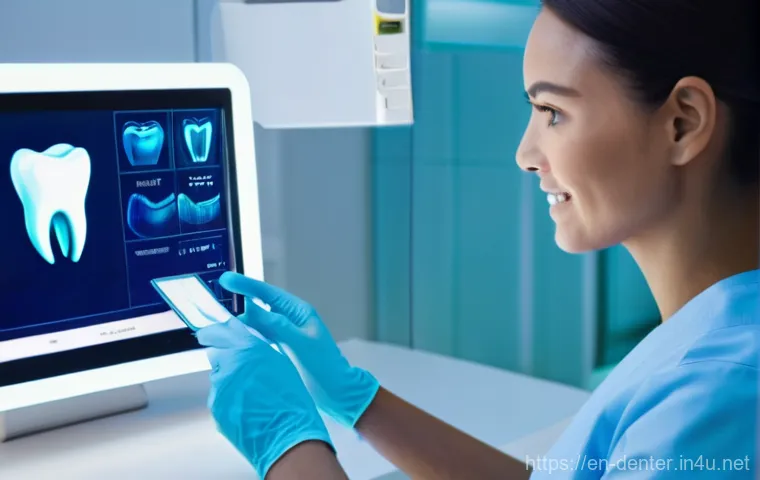
Stepping into an international dental hygiene conference is like opening a treasure chest of knowledge, but without a map, it can feel more like a maze. I remember my early days, wandering aimlessly, feeling overwhelmed by the sheer volume of information and missing out on incredible opportunities simply because I hadn’t planned. That’s why I’ve learned that the true secret to maximizing these experiences begins long before you even pack your bags. It’s about being strategic, intentional, and setting yourself up for success. Think of it as preparing for a professional marathon, not a sprint. You wouldn’t just show up to run 26.2 miles without training, right? The same goes for these academic powerhouses. From securing the best deals to knowing exactly which groundbreaking sessions align with your professional growth, a little foresight goes a long way. It transforms a potentially chaotic few days into a perfectly curated learning journey that feels both invigorating and incredibly productive. And trust me, feeling prepared takes so much pressure off, allowing you to truly immerse yourself in the experience rather than constantly playing catch-up. I always tell my colleagues, the planning isn’t just logistics; it’s the foundation for unlocking breakthroughs in your practice and reigniting your passion for dental hygiene.
Early Bird Gets the Best Seat: Registration & Accommodation Hacks
Let’s talk about saving some serious cash and snagging the best spots! I’ve kicked myself more than once for missing early bird registration deadlines, only to pay a premium later. Not only do you usually get a significantly better price on your conference pass, but early registration often opens up exclusive access to highly sought-after workshops or limited-seating practical sessions that fill up incredibly fast. These are the sessions that often provide hands-on experience with cutting-edge technologies or delve deep into niche topics that can truly differentiate your practice. Beyond the registration, think about your home base for the conference. Hotels near major conference venues, especially in big cities like New York, London, or Toronto, book up at lightning speed, and prices can skyrocket closer to the event. I’ve found that booking accommodation the moment your registration is confirmed can save you hundreds of dollars and a ton of commuting time. Imagine not having to battle rush hour traffic or lengthy public transport rides each morning and evening. That extra 30-60 minutes each day can be used for reviewing notes, catching up on emails, or even enjoying a quiet moment before the day’s whirlwind begins. Plus, staying within walking distance or a short ride from the venue makes those late-night networking events much more appealing and less stressful. It’s all about making your experience as smooth and enjoyable as possible, freeing up your mental energy to focus on the amazing content.
Crafting Your Learning Path: Session Selection & Speaker Spotlights
With dozens, sometimes hundreds, of concurrent sessions happening, it’s easy to feel like a kid in a candy store – excited but overwhelmed! My trick? Before I even arrive, I pore over the conference program, usually available online weeks or months in advance. I highlight sessions that directly address my current practice challenges, topics I want to specialize in, or emerging trends that genuinely pique my interest. Do I want to dive deep into AI-driven diagnostics, or am I more interested in advanced pain management techniques? Sometimes, it’s about choosing speakers whose work I admire or who come highly recommended by trusted colleagues. I usually select my top 3-4 must-attend sessions for each time slot, knowing that plans might shift. This way, if a room is full or a session isn’t quite what I expected, I have a solid backup. I also pay close attention to the speaker bios. Are they leading researchers, experienced clinicians, or innovators pushing the boundaries of our field? Their expertise is a huge draw, and knowing their background helps me formulate questions in advance. Don’t be afraid to mix and match; sometimes the most unexpected session can spark the most profound insights. It’s about curating a personalized curriculum that aligns with your unique professional goals and ensures every moment spent is a moment invested in your growth.
Tech Toolkit Prep: Essential Apps and Digital Readiness
In this day and age, our smartphones and tablets aren’t just for scrolling through social media; they’re indispensable tools for maximizing a conference experience. Seriously, if you’re not using the conference app, you’re missing out! Most major conferences now have fantastic apps that provide real-time updates, interactive maps of the venue (a lifesaver in huge convention centers), speaker bios, and even networking features to connect with other attendees. I always download it the moment it’s available and familiarize myself with its features. It’s a game-changer for staying organized and connected. Beyond the official app, think about your personal digital toolkit. I always travel with a portable power bank because wall outlets become rarer than gold at these events, and you’ll be using your device constantly for notes, photos, and navigating. I also make sure I have a reliable note-taking app, whether it’s Evernote, OneNote, or just a simple memo app, ready to capture key insights and “aha!” moments. Sometimes, I even pre-download presentation slides if they’re available, so I can annotate them directly. And don’t forget to ensure your cloud storage is ready for all the photos and digital handouts you’ll accumulate. Staying digitally prepared means you can seamlessly capture, store, and revisit all that valuable information, transforming fleeting moments into lasting professional assets.
Diving Deep into the Future: Exploring Cutting-Edge Trends
The pace of innovation in dental hygiene is truly breathtaking, isn’t it? Every time I attend a conference, I feel like I’m getting a glimpse into a sci-fi movie that’s quickly becoming our reality. What excites me most is seeing how these advancements aren’t just flashy gadgets; they’re genuinely improving patient outcomes, making our work more precise, and even broadening our scope of practice. I remember a few years ago, AI in dentistry felt like a distant dream, something confined to research labs. Now, it’s mainstream, being discussed in almost every major session, and you can see it in action in the exhibit halls. It’s exhilarating to witness this evolution firsthand, to feel the pulse of change. This isn’t just about keeping up; it’s about being prepared to integrate these groundbreaking technologies into our daily routines, to truly be at the forefront of patient care. It’s a testament to our profession’s dynamism, constantly evolving to serve our communities better. I find that engaging with these trends at conferences isn’t just about learning; it’s about envisioning the future of dental hygiene and seeing how *we* can shape it.
AI-Driven Insights: Revolutionizing Diagnostics and Treatment
Okay, let’s talk about AI, because honestly, it’s one of the most transformative trends I’ve seen. It’s no longer just a buzzword; it’s actively reshaping how we approach diagnostics and treatment planning. I’ve personally experimented with software that uses AI to analyze radiographs with incredible precision, flagging potential issues like incipient caries or bone loss that might be subtly missed by the human eye. It’s like having a super-powered second opinion right there, guiding your assessment. This isn’t about replacing our clinical judgment, but rather augmenting it, giving us an extra layer of confidence and accuracy. Imagine discussing a complex case with a patient, backed by AI-enhanced insights that clearly visualize their oral health status. It elevates the conversation and builds immense trust. We’re also seeing AI applied in treatment planning, from predicting orthodontic outcomes to customizing implant placements. For us as dental hygienists, understanding these AI tools means we can better interpret diagnostic information, collaborate more effectively with dentists, and educate our patients on the precise, personalized care they’re receiving. It’s truly a game-changer for delivering more accurate, preventive, and ultimately, better patient care.
The Rise of Teledentistry: Bridging Gaps in Care Delivery
Teledentistry, oh my goodness, what a lifeline it has become, especially for extending access to care! I’ve seen how it’s transformed follow-up appointments, allowed for remote consultations, and even facilitated preliminary screenings in underserved areas. It’s fascinating to think that a patient can now have a quick check-in about a specific concern or receive personalized oral hygiene instructions from the comfort of their home, without needing to take time off work or arrange childcare. This isn’t just convenient; it’s truly revolutionary for removing barriers to care. For us hygienists, teledentistry platforms offer incredible opportunities for remote patient education, monitoring progress, and even triaging urgent concerns. I’ve used secure video calls for post-procedural checks, answering questions about sensitivity or home care routines, which saves both the patient and the practice valuable time. It expands our reach and allows us to provide more continuous, proactive care. Of course, it’s not a replacement for hands-on treatment, but as a supplementary tool for patient engagement and ongoing support, it’s absolutely invaluable. It truly bridges geographical gaps and makes quality oral healthcare more accessible to everyone, which, for me, is incredibly fulfilling.
Personalized Prevention: Tailoring Care for Optimal Outcomes
The era of one-size-fits-all oral hygiene advice is definitely over, and honestly, I couldn’t be happier! What truly excites me about modern dental hygiene is the incredible shift towards personalized prevention. It’s all about understanding each patient as a unique individual, with their own genetic predispositions, dietary habits, and lifestyle factors, and then tailoring our preventive strategies accordingly. We’re talking about sophisticated risk assessment tools, advanced saliva diagnostics that can identify specific pathogenic bacteria, and even genetic testing that informs us about a patient’s susceptibility to certain conditions. I’ve found that when you can explain to a patient *why* a particular intervention is perfect *for them*, based on objective data, their compliance and engagement skyrocket. It moves beyond generic brushing and flossing advice to something far more impactful, like recommending bacteria-specific mouthwashes, advising on nutritional adjustments, or providing highly customized oral hygiene education. Smart toothbrushes with AI are even joining the game, offering real-time feedback on brushing technique! This level of personalized care isn’t just effective; it’s empowering for the patient, making them an active participant in their oral health journey, and that’s a relationship I absolutely love fostering. It feels incredibly rewarding to know you’re providing truly optimized care.
Beyond the Booths: Making the Most of the Exhibit Hall
Okay, let’s be real: the exhibit hall at a dental conference can sometimes feel like a giant, overwhelming mall. Flashing lights, loud music, endless booths vying for your attention. It’s easy to get lost in the marketing hype and walk away with a bag full of pens and stress balls, but not much else. However, I’ve learned that the exhibit hall is actually one of the most dynamic learning environments at any conference, if you approach it with a strategy. It’s where the future of our profession is literally on display! This is your chance to touch, see, and experience innovations that you’ve only read about or heard in lectures. I used to just browse, but now I go in with a mission: to engage, ask pointed questions, and genuinely explore solutions that could elevate my practice. It’s not just about collecting freebies; it’s about collecting insights and building relationships with the companies that are pushing our industry forward. Plus, many booths offer exclusive, on-site deals that you won’t find anywhere else, making it a perfect opportunity to invest in new tools and technologies for your clinic.
Hands-On Demos: Experiencing Innovations Firsthand
There’s a huge difference between hearing about a new ultrasonic scaler or a state-of-the-art intraoral camera and actually getting your hands on it. The exhibit hall is *the* place for hands-on demos. I always make a beeline for booths showcasing new equipment or software I’m curious about. I remember trying out a new air polisher a few years back; the representative walked me through its features, let me feel its ergonomics, and even demonstrated it on a typodont. That tactile experience, the ability to ask specific questions about its pressure settings or maintenance requirements, is invaluable. You can gauge the usability, comfort, and efficacy in a way that no brochure or online video ever could. Don’t be shy! Ask to try things out, even if you’re just curious. The reps are usually incredibly knowledgeable and eager to demonstrate. This direct interaction helps you determine if a particular piece of technology truly fits your practice’s needs and workflow, saving you from potentially costly mistakes down the line. It’s like test-driving a car before you buy it – essential for making informed decisions.
Vendor Dialogues: Uncovering Solutions for Your Practice
Beyond the cool gadgets, the exhibit hall is a fantastic place for meaningful conversations. I don’t just walk past booths; I stop, engage, and ask questions. I often come prepared with a list of challenges my practice is currently facing, whether it’s optimizing appointment scheduling, finding more effective patient education materials, or sourcing sustainable supplies. The vendors aren’t just there to sell; they’re often experts in their niche and can offer incredibly insightful solutions or connect you with resources you might not have known about. I’ve had some fantastic discussions that led to discovering new software for patient recall, innovative diagnostic tools, or even better pricing on essential consumables. It’s about building relationships, too. Many of these reps are genuinely passionate about what they do and remember faces. I’ve found that these connections can lead to ongoing support, exclusive training opportunities, and even beta testing for new products. It’s a goldmine for problem-solving and finding those perfect tools that will streamline your work and enhance the patient experience, making your practice more efficient and enjoyable.
| Conference Preparation Checklist | Details & Why It Matters |
|---|---|
| Early Registration | Save money, secure popular workshops/sessions, and confirm accommodation. Believe me, waiting costs you! |
| Accommodation Booking | Book hotels/Airbnbs near the venue well in advance. Proximity means less travel stress and more time for networking. |
| Review Program & Map | Prioritize sessions, speakers, and exhibitors. Having a game plan prevents FOMO and ensures you hit your learning goals. |
| Networking Goals | Identify 3-5 people or companies you *really* want to connect with. Have your “elevator pitch” ready! |
| Comfortable Attire | You’ll be on your feet a lot! Dress professionally but comfortably. Your feet will thank you. |
| Digital Tools | Download the conference app, have a portable charger, and ensure your phone is ready for notes and photos. |
The Art of Connection: Networking That Truly Clicks
Let’s be honest, for some of us, networking can feel a little intimidating, right? I used to dread those awkward silences or the feeling of having nothing to say to a complete stranger. But I’ve learned that true networking isn’t about collecting a pile of business cards; it’s about making genuine connections with people who share your passion, your challenges, and your desire to grow. Conferences are brimming with incredible minds from all corners of the globe, and every single person there brings a unique perspective. I’ve found some of my most valuable mentors, collaborators, and even lifelong friends at these events. It’s an opportunity to swap stories, brainstorm solutions to common problems, and even discover potential career pathways you hadn’t considered. The buzz of collective energy is contagious, and when you open yourself up to these interactions, you realize how much richer your professional life can become. It’s about stepping out of your comfort zone just a little, and seeing where those unexpected conversations can lead you. And trust me, the reward of a truly meaningful connection far outweighs any initial jitters.
Breaking the Ice: Tips for Meaningful Conversations
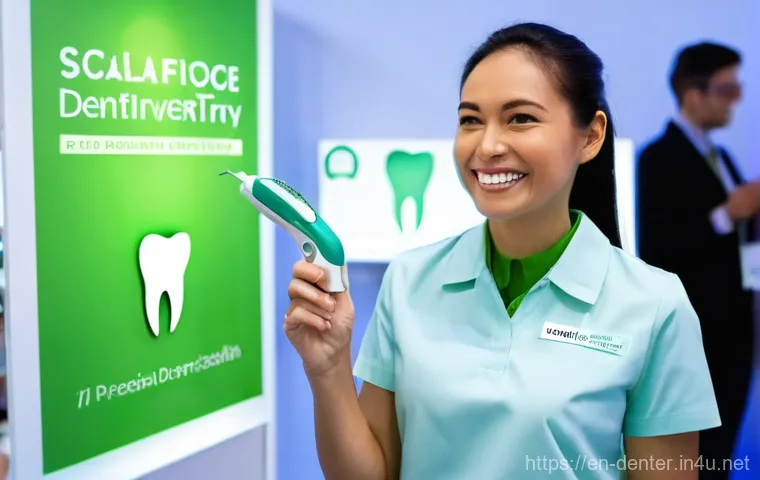
So, you’re standing in a crowded room, everyone’s chatting, and you feel that little knot in your stomach. How do you jump in? My go-to strategy is surprisingly simple: look for someone standing alone or a small group with open body language. A genuine smile and a simple, “Hi, I’m [Your Name], it’s my first/fifth/tenth time at this conference, what brings you here?” can work wonders. People love to talk about themselves and their experiences. Ask open-ended questions that go beyond a simple yes or no. Instead of “Did you like the last session?” try “What was your biggest takeaway from Dr. Smith’s lecture?” Listen actively to their answers, and look for common ground. Maybe you’re both passionate about preventative care, or perhaps you’ve both struggled with implementing a specific new technology. Those shared experiences are the perfect springboard for deeper conversation. I’ve also found that offering a genuine compliment about someone’s question during a Q&A session, or their insights shared in a small group, can be a fantastic opener. Remember, everyone is there for similar reasons, and most people are just as eager to connect as you are. It’s not about being the loudest person in the room; it’s about being present, authentic, and genuinely interested in what others have to say.
Following Up for Future Collaborations
Okay, so you’ve had some fantastic conversations and collected a few business cards or LinkedIn connections. Awesome! But the networking doesn’t stop when you leave the conference hall. The real magic happens in the follow-up. I always make it a point to send a personalized email or LinkedIn message within 24-48 hours of meeting someone. A generic “Nice to meet you” simply won’t cut it. Refer back to something specific you discussed: “It was great chatting about the challenges of teledentistry in rural areas,” or “Your insights on AI in diagnostics were truly fascinating.” This not only jogs their memory but also shows that you were genuinely engaged in the conversation. If you promised to send them a resource or an article, make sure you do it! This reinforces your reliability and professionalism. I’ve found that these follow-up messages often lead to further discussions, collaborations on projects, or even referrals. Some of my most fruitful professional relationships have blossomed from these initial conference connections. Think of it as planting seeds; with a little bit of nurturing (the follow-up), those connections can grow into incredibly valuable resources for your career development and professional network. It’s how those fleeting moments turn into lasting professional partnerships.
From Theory to Practice: Integrating New Knowledge
Walking away from a conference brimming with new ideas and knowledge is one of the best feelings, isn’t it? But let’s be honest, sometimes that excitement can fade pretty quickly once you’re back in the daily grind of clinic life. I’ve been there! I used to come back with pages of notes, feeling super motivated, only to find myself falling back into old routines within a week. That’s why I’ve developed a system that helps me translate those incredible “aha!” moments into tangible changes in my practice. It’s not just about absorbing information; it’s about actively integrating it, making it part of your professional DNA. This step is crucial for justifying the time and financial investment of attending these conferences. You want to see a real return on that investment, not just in terms of CE credits, but in improved patient care, enhanced efficiency, or expanded services. It’s about being an agent of change, not just a passive recipient of information. And believe me, seeing the positive impact of a new technique or a fresh approach that you learned at a conference is incredibly rewarding and keeps that professional fire burning bright!
Actionable Takeaways: What to Implement First
As soon as I’m back from a conference, usually on the flight home or the very next day, I dedicate time to sifting through my notes. My goal isn’t to reread everything, but to identify my top 3-5 “actionable takeaways.” These are the specific, concrete ideas or techniques that I can realistically implement in my practice relatively quickly. For example, it might be a new patient education script for oral cancer screenings, a specific setting for a new laser I’ve been considering, or a fresh approach to discussing periodontal disease with hesitant patients. I prioritize these based on their potential impact on patient care, ease of implementation, and alignment with my practice’s goals. I often share these top takeaways with my team during our next staff meeting. This isn’t just about sharing information; it’s about getting their buy-in and brainstorming how we can collectively integrate these changes. Having their perspective often uncovers practical considerations or creative solutions I hadn’t thought of. Starting small and focusing on a few key changes makes the integration process much less daunting and significantly increases the chances of successful adoption. It’s about smart implementation, not just information overload.
Sustaining Momentum: Continuous Learning Beyond the Conference
The conference might be over, but your learning journey certainly isn’t! To truly sustain the momentum and ensure those new insights stick, I build continuous learning into my routine. This means revisiting my notes periodically, perhaps once a month, to refresh my memory and check on the progress of implemented changes. I also actively seek out further resources on topics that sparked a deep interest. Did a session on regenerative medicine pique your curiosity? Follow up by reading relevant journals, signing up for webinars from the speakers you enjoyed, or joining online professional communities that discuss these topics. I also find that engaging in post-conference discussions with colleagues, whether it’s over coffee or in an online forum, helps solidify learning and offers diverse perspectives. Sharing what you’ve learned not only helps others but also reinforces your own understanding. Don’t underestimate the power of teaching or presenting what you’ve learned to your peers or even within your own practice; it’s one of the best ways to internalize new information. This ongoing engagement ensures that the conference isn’t just a one-off event, but a catalyst for sustained professional growth and excellence, keeping you connected to the forefront of our incredible profession.
Holistic Horizons: Embracing Overall Wellness and Sustainability
One of the most profound shifts I’ve witnessed in dental hygiene is our ever-expanding understanding of oral health as an integral part of overall systemic wellness. It’s not just about clean teeth and healthy gums anymore; it’s about recognizing the intricate connections between the mouth and the rest of the body, and how our work profoundly impacts a patient’s total well-being. This broader perspective has transformed how I approach patient education and treatment planning. It feels incredibly empowering to educate patients not just on preventing cavities, but on how good oral hygiene can mitigate risks for heart disease, diabetes, or even improve pregnancy outcomes. This holistic view elevates our role beyond just technicians to true healthcare partners. And it’s not just about the individual patient; it’s also about our responsibility to the planet. The discussions around sustainability in dentistry have been eye-opening, pushing me to think more critically about the environmental footprint of our practices. It’s about making conscious choices that are good for our patients and good for our world, and honestly, that feels like a really important evolution in our profession.
Mind-Body Connection: Oral Health’s Broader Impact
When I first started in dental hygiene, the focus was very much on the mouth in isolation. But over the years, the evidence linking oral health to systemic conditions has become undeniable, and it’s something I now highlight in almost every patient interaction. Conferences have been instrumental in showcasing the latest research on the oral-systemic link, from new understandings of how periodontal inflammation can exacerbate cardiovascular issues to the role of the oral microbiome in gut health. I’ve learned how to better screen for signs of sleep apnea, how to recognize oral manifestations of systemic diseases like diabetes, and how to discuss these complex relationships with patients in an accessible way. It’s no longer just about telling them to floss; it’s about explaining that by maintaining excellent oral hygiene, they are actively contributing to the health of their heart, their brain, and their overall quality of life. This expanded knowledge makes our work feel so much more impactful and allows us to collaborate more effectively with other healthcare professionals, truly positioning ourselves as vital members of the healthcare team. It’s incredibly satisfying to help patients connect these dots and empower them with a more comprehensive understanding of their health.
Eco-Conscious Dentistry: Greener Practices for a Brighter Future
Beyond patient care, another area that has really resonated with me is the growing movement towards sustainable dentistry. As healthcare professionals, we generate a significant amount of waste, and becoming more eco-conscious is simply the right thing to do. Conferences are now featuring incredible sessions and vendors dedicated to greener practices, from exploring biodegradable impression materials and recyclable sterilization pouches to minimizing water usage and embracing digital workflows to reduce paper consumption. I’ve been inspired to look at my own practice and identify areas where we can make more sustainable choices, whether it’s opting for suppliers with eco-friendly packaging, switching to energy-efficient equipment, or even encouraging patients to choose reusable toothbrushes. It’s about being mindful of our environmental footprint without compromising on the quality of care. Sometimes it feels like a small drop in the ocean, but every little bit counts, and collectively, these changes can make a significant difference. It’s a powerful reminder that our responsibility extends beyond the individual patient chair to the health of our communities and the planet we all share. Embracing sustainability isn’t just a trend; it’s a commitment to a healthier future for everyone, and that’s something I feel really proud to be a part of.
Closing Thoughts
Whew! What a journey we’ve been on together, right? From meticulously planning your conference schedule to diving headfirst into the exhilarating world of AI, teledentistry, and sustainable practices, I truly hope you feel as energized and inspired as I do. Remember, these conferences aren’t just about collecting CE credits; they’re vital opportunities to spark new ideas, forge meaningful connections, and truly push the boundaries of what’s possible in our amazing profession. Each insight gained, every new connection made, and every piece of technology explored is an investment in your growth and, more importantly, in the future of patient care. Keep that flame of curiosity burning, and let’s continue to elevate dental hygiene together, one informed step at a time!
Useful Information to Keep in Mind
1. Prioritize Your Well-being: Conference days can be long and exciting, but don’t forget to take care of yourself! Wear comfortable shoes (your feet will thank you!), stay hydrated, and schedule short breaks to recharge. A refreshed mind absorbs so much more, and you’ll avoid that dreaded “conference fatigue” that can set in. Trust me, I’ve learned this the hard way!
2. Embrace the Unexpected: While strategic planning is key, sometimes the most profound discoveries happen when you wander off the beaten path. Don’t be afraid to attend a session outside your comfort zone or strike up a conversation with someone you wouldn’t typically approach. These serendipitous moments often lead to unexpected breakthroughs or fantastic new connections. Keep an open mind!
3. Go Digital with Your Notes: Ditch the piles of paper handouts that inevitably get lost in your bag! Leverage the conference app and your favorite note-taking tools on your tablet or smartphone. This keeps everything organized, searchable, and easily accessible when you’re ready to revisit those brilliant ideas back in your practice. Plus, it’s a small step towards greener dentistry!
4. Perfect Your “Elevator Pitch”: You’ll meet so many incredible people, and having a concise, engaging way to introduce yourself and what you’re passionate about can make all the difference. It’s not about selling; it’s about authentically sharing your professional identity and making memorable first impressions. A simple “What brings you to this session?” can be a great opener too!
5. Reflect and Recharge Post-Conference: The learning doesn’t stop when you leave. Schedule dedicated time in the days following the conference to review your notes, identify actionable takeaways, and follow up with new contacts. This crucial step helps solidify your learning and ensures you translate inspiration into actual implementation, preventing that post-conference slump.
Key Takeaways
My biggest takeaway from years of attending these incredible events is that intentionality truly unlocks the most value. It’s not just about showing up; it’s about crafting an experience that propels your professional growth and reignites your passion for dental hygiene. I’ve personally found that the connections I make, the new technologies I get to touch and try, and the fresh perspectives I gain are absolutely invaluable for keeping my practice at the forefront of patient care. From discovering AI tools that refine diagnostics to embracing sustainable practices that are better for both my patients and the planet, these conferences are where theory truly meets practical application. Remember, your investment in attending is an investment in yourself, your team, and the smiles you impact every single day. So, go forth, explore, connect, and bring that renewed energy back to your community!
Frequently Asked Questions (FAQ) 📖
Q: With so much new tech like
A: I and teledentistry popping up, how do I even begin to navigate a big dental conference to make sure I’m really getting the most out of it? A1: Oh, I totally get this!
I remember my first few conferences feeling like trying to drink from a firehose – exciting, but a lot to take in! The secret sauce, from my experience, is definitely in the prep work.
Before you even pack your bags, dive into that conference agenda online. Seriously, block out time like it’s a patient appointment! Look for specific sessions that align with the trends you’re most curious about, whether it’s the latest in AI-driven diagnostics or hands-on teledentistry demos.
I always highlight a few “must-attend” lectures and then a couple of backup options. Don’t forget to scout out the exhibitor hall beforehand too! Knowing which vendors are showcasing those cutting-edge tools you’ve read about, like new intraoral scanners or smart toothbrushes, can save you so much time.
And here’s a pro tip: use the conference app if they have one. It’s a game-changer for building your schedule, connecting with other attendees, and even downloading presentation slides.
Trust me, a little planning transforms overwhelm into pure, focused learning!
Q: Okay, so what are the absolute hottest trends in dental hygiene right now that I simply cannot afford to ignore? I want to know what’s really changing the game!
A: If you’re looking to stay ahead of the curve, there are a few trends absolutely electrifying our field right now! From where I’m standing, and after countless conversations with innovators, I’d say AI in digital dentistry is a non-negotiable must-watch.
We’re talking about AI assisting with everything from spotting the earliest signs of caries on X-rays to refining treatment plans and even predicting patient outcomes.
It’s like having an incredibly intelligent co-pilot. Then, there’s personalized preventive care, which is a huge passion of mine. Gone are the days of one-size-fits-all hygiene!
We’re now seeing incredible advancements in saliva diagnostics, risk assessment tools, and even bacteria-specific treatments. Imagine truly tailoring an oral care plan that’s as unique as your patient’s smile.
And I’d be remiss if I didn’t mention teledentistry. It’s evolving beyond basic consultations, offering remote monitoring and patient education that truly extends our reach and makes quality care more accessible.
These aren’t just buzzwords; they’re the future of how we’ll practice, improving both patient care and our professional satisfaction.
Q: These new technologies sound amazing, but honestly, how can a busy practitioner like myself actually start incorporating things like digital dentistry or advanced diagnostics into my everyday routine without a massive overhaul?
A: I totally hear you! The thought of a “massive overhaul” can feel daunting when you’re already juggling so much. But here’s the wonderful news: you don’t have to leap; you can take strategic steps!
From my own experience, the key is to pick one area where you feel you can make the biggest impact or where you see the most immediate benefit. For example, if you’re intrigued by digital dentistry, maybe start by integrating an advanced intraoral camera into your hygiene exams.
It’s a relatively low barrier to entry, immediately enhances patient education, and gets your team comfortable with new tech. Or, if personalized preventive care sparks your interest, perhaps explore a reputable saliva diagnostics kit for your high-risk patients.
The crucial part is to start small, get really good at that one thing, and then build from there. Involve your team early, provide training, and be transparent with your patients about the exciting new benefits you’re offering.
Remember, progress over perfection! Even small changes can lead to huge leaps in practice efficiency and patient satisfaction over time.