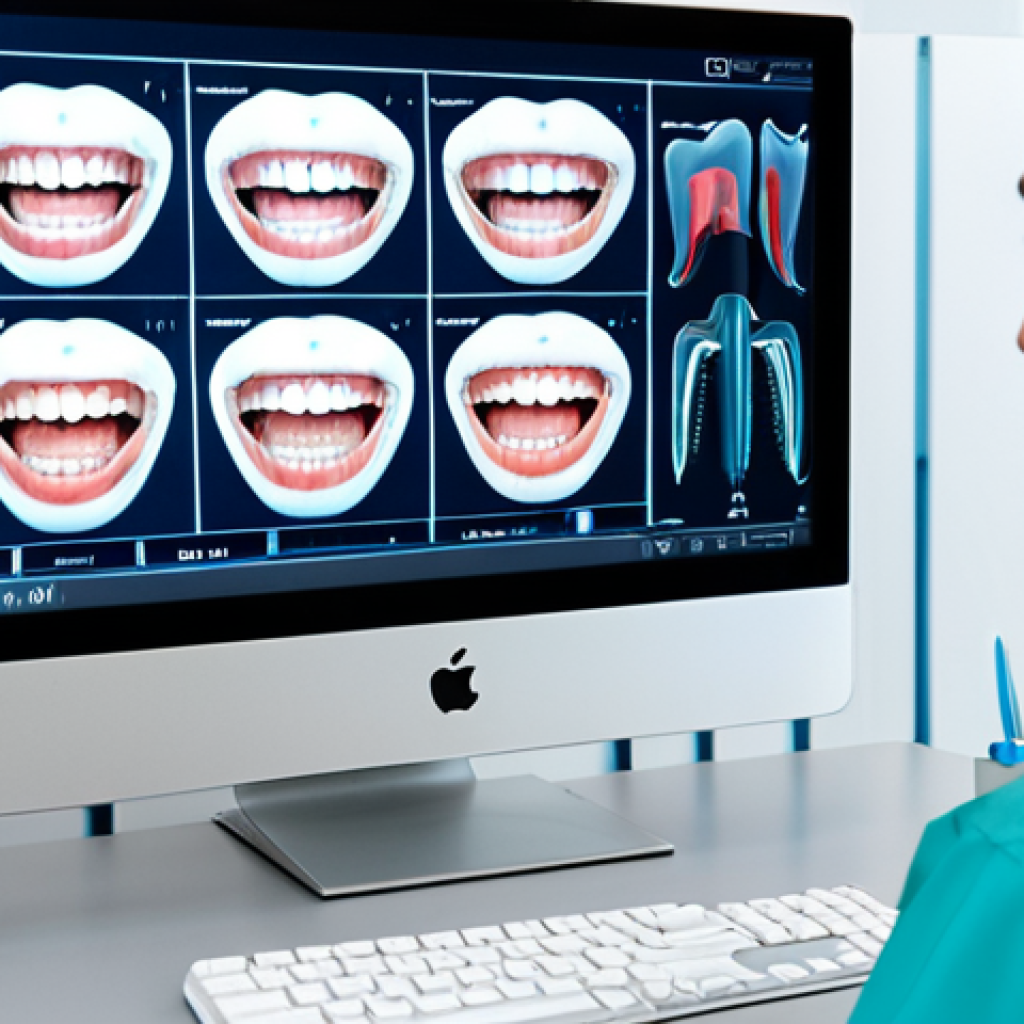
It feels like just yesterday we were meticulously charting with pen and paper, doesn’t it? As a dental hygienist myself, I’ve personally witnessed a seismic shift in our clinical landscape, a transformation so profound it’s hard to fully grasp without being on the front lines.
From integrating AI-powered diagnostic tools in my own practice that virtually eliminate guesswork, to seeing how advanced intraoral scanners have completely revolutionized traditional impressions, the pace of change is truly breathtaking.
This isn’t just about streamlining tasks; it’s fundamentally reshaping how we approach patient care, making it significantly more personalized, efficient, and ultimately, far more effective.
The future of dental hygiene isn’t some distant concept; it’s unfolding right before our eyes, and staying ahead of these cutting-edge trends is absolutely crucial for any dedicated professional.
We’ll explore precisely what these groundbreaking shifts entail.
The Unstoppable Rise of AI in Precision Diagnostics
It wasn’t that long ago that dental hygienists like myself relied almost exclusively on our trained eyes and tactile senses for a thorough examination.
While those skills remain absolutely foundational, the sheer precision and diagnostic capabilities that Artificial Intelligence is now bringing to our operatory are nothing short of revolutionary.
I’ve personally integrated AI-powered diagnostic software into my practice, and the difference it makes in identifying even the most elusive early signs of pathology is genuinely astounding.
This isn’t about AI replacing the human touch; it’s about augmenting our abilities, giving us superpowers, if you will, to catch issues far earlier than ever before.
Think about the peace of mind that brings to both us and our patients when we can address a problem at its earliest, most manageable stage. It’s truly a game-changer for preventative care, shifting us from reactive treatment to proactive intervention, which, from my experience, leads to much better long-term oral health outcomes and happier patients.
The nuance that AI can discern in radiographic images or intraoral scans often goes beyond what even the most experienced human eye might initially detect, offering a level of support that was unimaginable just a few years ago.
This technology helps us pinpoint areas of concern with a clarity and accuracy that elevates our diagnostic process to an entirely new level, making our work more efficient and, most importantly, more effective for every single patient who sits in our chair.
1. AI-Powered Caries Detection: Beyond the Naked Eye
I remember the days of squinting at radiographs, trying to discern faint radiolucencies that *might* indicate an incipient lesion. It was a skill honed over years, often with a slight degree of uncertainty.
Now, with AI algorithms specifically trained on vast datasets of dental images, the software can highlight potential carious lesions with incredible accuracy, often long before they become clinically obvious or cause patient discomfort.
In my own daily workflow, this has been a profound shift. I’ve found that the AI acts like a brilliant second pair of eyes, confirming my suspicions or, even more remarkably, pointing out areas I might have initially overlooked.
This doesn’t just save time during the diagnostic phase; it fundamentally changes the conversation I have with my patients. Instead of saying, “We’ll keep an eye on this spot,” I can now confidently say, “The AI analysis suggests an area of demineralization here, and based on what I see, we should discuss options to prevent this from progressing.” This proactive approach is invaluable, fostering greater trust and enabling truly early intervention, which is always less invasive and more cost-effective for the patient.
It’s about empowering us to practice at the very peak of our capabilities.
2. Predictive Analytics for Periodontal Disease
Periodontal disease, in its early stages, can be incredibly subtle, often presenting with only mild gingival inflammation or very slight bone loss. For years, we’ve relied on probing depths and clinical signs, but imagine having a tool that could analyze a patient’s historical data, genetic predispositions, and even lifestyle factors to predict their risk of developing or progressing periodontal disease.
This isn’t science fiction; it’s becoming a reality. Some AI systems are now capable of analyzing intraoral images, radiographic bone levels, and even electronic health record data to identify patterns indicative of future periodontal breakdown.
From a hygienist’s standpoint, this is immensely exciting because it allows us to tailor preventative strategies with unprecedented precision. Instead of a one-size-fits-all approach, we can identify high-risk individuals and implement targeted interventions—more frequent recalls, specific oral hygiene instructions, or adjunctive therapies—before the disease takes hold.
I’ve started exploring systems that use these predictive models, and the ability to visualize a patient’s potential trajectory for bone loss or attachment loss, and then present that data to them, makes our educational efforts so much more impactful.
It brings the abstract concept of future disease into a tangible, actionable plan, fostering genuine patient engagement in their oral health journey.
Intraoral Scanners: Bidding Farewell to Gooey Impressions
If there’s one piece of technology that has universally elicited sighs of relief from patients and clinicians alike, it has to be the intraoral scanner.
I still vividly recall the mess, the gag reflex, the constant re-takes, and the inherent discomfort associated with traditional alginate or PVS impressions.
It was often a wrestling match, especially with sensitive patients, and getting a perfectly accurate impression on the first try felt like winning the lottery.
So, when intraoral scanners started becoming a viable clinical tool, I was one of the first in line to embrace them. And let me tell you, the transition has been nothing short of transformative.
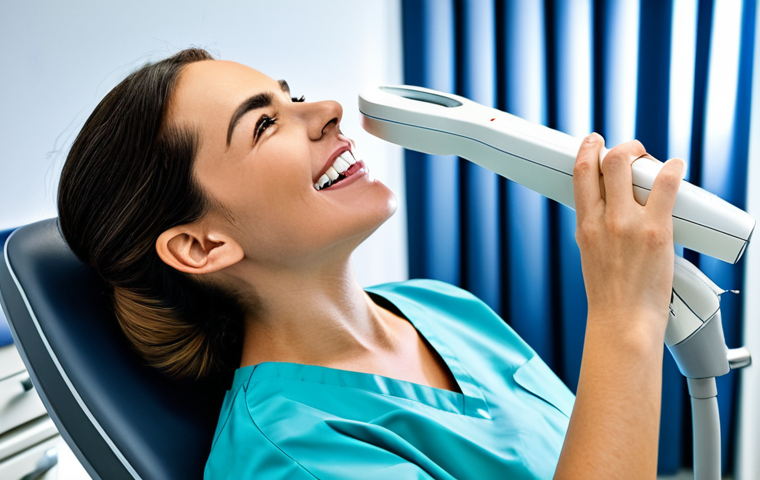
Not only do these digital wonders capture incredibly precise 3D images of the teeth and soft tissues in a matter of minutes, but they’ve completely eliminated the messy, time-consuming impression process.
This alone has drastically improved the patient experience in my chair. There’s no longer that anxious anticipation of the tray being placed, no more trying to breathe through a nose clogged with impression material, and no more waiting for the material to set.
It’s a clean, efficient, and surprisingly comfortable process that has streamlined countless procedures, from crown preparations to orthodontic clear aligner starts.
The smile on a patient’s face when they realize they don’t have to endure that old impression material? Pure gold.
1. Patient Comfort and Accuracy Redefined
The immediate and most obvious benefit of intraoral scanners is the unparalleled comfort they offer patients. I’ve had patients tell me they almost *enjoyed* the scanning process, which is a stark contrast to the grimaces I used to see.
Eliminating the bulky trays and impression materials has been a huge win for anxious patients and those with strong gag reflexes. But beyond comfort, the accuracy these scanners provide is truly remarkable.
When I started using one, I was amazed by the level of detail captured, far exceeding what I could reliably achieve with traditional methods, especially in hard-to-reach areas.
This precision translates directly into better-fitting restorations, aligners, and appliances, which means fewer chairside adjustments and a more predictable outcome for the patient.
For instance, when preparing for a custom nightguard or an occlusal splint, the digital scan allows for a perfectly snug fit, which dramatically improves compliance and effectiveness.
It’s like the difference between a custom-tailored suit and an off-the-rack one; the fit just feels right, and it performs better. This improved accuracy not only reduces clinical remakes and chair time but also enhances the overall quality of care we’re able to deliver, minimizing patient frustration and ensuring a more positive experience throughout their treatment journey.
2. Seamless Digital Workflow Integration
The beauty of intraoral scanners extends far beyond just capturing images; it lies in their ability to seamlessly integrate into an entirely digital workflow.
Once a scan is complete, the 3D model is instantly available on the computer screen. From there, it can be sent digitally to the lab for fabrication of restorations, aligners, or surgical guides, eliminating the need for physical models and messy shipping.
This immediate digital transmission drastically reduces turnaround times for lab work, meaning patients get their crowns or clear aligners faster. I’ve seen crowns come back in days rather than weeks, which is a huge benefit for patients who are often eager to complete their treatment.
Moreover, these digital models can be used for a multitude of purposes: creating digital study models, tracking tooth wear over time, planning implant placements, or even designing custom whitening trays.
The digital nature also facilitates communication with specialists and labs; we can easily share scans for collaborative treatment planning sessions, ensuring everyone is literally on the same page.
This interconnectedness truly streamlines the entire patient journey, from initial diagnosis to final restoration, making our practice more efficient and our patient care more cohesive.
Advanced Radiography and 3D Imaging: Unveiling Hidden Realities
The evolution of dental radiography has been one of the most profound technological advancements I’ve witnessed in my career. Moving from traditional film X-rays to digital radiography was a huge leap, reducing radiation exposure and providing instant images.
But the advent of Cone Beam Computed Tomography (CBCT) has been nothing short of revolutionary, adding a third dimension to our diagnostic capabilities.
As a hygienist, having access to these incredibly detailed 3D images allows me to understand the underlying anatomical structures in a way that 2D X-rays simply cannot.
I can visualize bone levels from every angle, identify potential pathologies that might be masked in a flat image, and even assess root morphology with precision.
This level of insight is invaluable for comprehensive patient care, especially when I’m educating patients about the severity of their periodontal disease or the implications of a specific anatomical variant.
It transforms our understanding from a flat blueprint into a fully immersive, interactive model, enhancing our diagnostic prowess and our ability to communicate complex issues effectively to our patients.
The confidence this gives me in my assessments, knowing I have such a complete picture, is immense.
1. Cone Beam CT (CBCT) for Comprehensive Assessments
Before CBCT, if a dentist needed a detailed 3D view of a patient’s anatomy, they would often have to send them for a medical CT scan, which involved higher radiation doses and was less focused on the oral cavity.
Now, with in-office CBCT units, we can obtain highly detailed 3D images of the maxillofacial region with significantly reduced radiation exposure, specifically tailored for dental needs.
For me, as a hygienist, this has been particularly impactful when assessing complex periodontal cases. I can see the exact extent of bone loss around each tooth, including buccal and lingual defects, and identify areas of furcation involvement with an accuracy that 2D images simply cannot provide.
This allows for much more precise treatment planning, whether it’s for localized scaling and root planing or surgical intervention. Furthermore, it’s invaluable for pre-implant assessment, identifying accessory canals, or even locating impacted teeth.
I’ve also found it incredibly useful for identifying potential anatomical challenges that could impact a patient’s oral hygiene, such as tori or bony exostoses that might interfere with brushing or flossing.
The ability to rotate and slice through these images at any plane gives us an unprecedented view into the patient’s oral health status, allowing for truly comprehensive and individualized care.
2. Enhancing Patient Education with Visuals
One of the biggest challenges in dentistry is helping patients truly understand their oral health conditions and the necessity of proposed treatments.
Historically, we’ve relied on analogies, diagrams, and blurry 2D X-rays, which often left patients feeling overwhelmed or confused. CBCT imaging changes this entirely.
Imagine showing a patient their own jawbone in 3D, rotating it to show them exactly where their bone loss is, or where an impacted wisdom tooth is sitting.
I’ve personally seen the “aha!” moment in patients’ eyes when they can visualize the problem themselves. It’s incredibly powerful. For example, when discussing localized bone loss due to periodontitis, I can highlight the specific areas affected and explain why certain home care techniques or treatments are critical.
This visual aid not only improves patient comprehension but also increases their acceptance of treatment recommendations and their commitment to home care.
It transforms a didactic explanation into an engaging, interactive learning experience, making them a more active participant in their own health decisions.
This level of clarity fosters trust and makes our educational efforts far more effective, ultimately leading to better compliance and improved long-term outcomes.
Smart Instrumentation and Ergonomics: Protecting Our Hands and Backs
Being a dental hygienist is incredibly rewarding, but let’s be honest, it’s also physically demanding. Repetitive motions, awkward postures, and constant strain on our hands, wrists, shoulders, and backs can take a significant toll over years of practice.
I’ve personally experienced the aches and pains that come with the job, which is why the advancements in smart instrumentation and ergonomic design truly excite me.
It’s not just about fancy gadgets; it’s about preserving our careers and ensuring we can continue to provide high-quality care without burning out or sustaining injuries.
From ultrasonic scalers that practically do the work for you to dental chairs and operator stools designed to support our natural posture, these innovations are essential for the longevity of our profession.
It’s a direct investment in our well-being, acknowledging that we can only care for others effectively if we are caring for ourselves. I’ve felt the difference in my body at the end of a long day when I’m using thoughtfully designed tools and equipment, and it’s profound.
It reduces muscle fatigue and prevents the cumulative microtrauma that can lead to chronic pain and even career-ending injuries.
1. Ultrasonic Scalers with Feedback Technology
Ultrasonic scalers have been a staple in dental hygiene for decades, but the latest generation of these devices is truly next-level. Many now come equipped with advanced feedback technology that senses the amount of pressure being applied, the type of calculus being encountered, and even provides real-time alerts if the clinician is pressing too hard or using an incorrect angulation.
For me, this has been an absolute game-changer in terms of efficiency and patient comfort. I no longer have to guess if I’m being too aggressive; the machine tells me, allowing for a much gentler yet equally effective scaling experience.
This feedback helps me maintain optimal power settings and tip adaptation, reducing unnecessary vibrations and discomfort for the patient, especially those with sensitive teeth.
It also significantly reduces my own physical strain, as I’m not fighting the resistance of stubborn calculus with brute force. It’s like having a co-pilot guiding my hand, making the entire scaling process smoother, faster, and far more precise, which benefits both my patients’ experience and my own physical health over the long term.
2. The Impact of Ergonomic Design on Longevity
When I first started in this profession, ergonomic awareness wasn’t nearly as prevalent as it is today. We made do with equipment that often forced us into unnatural positions.
Now, manufacturers are designing everything from dental chairs to loupes and operator stools with the human body in mind. Investing in truly ergonomic equipment—a saddle stool that supports proper spinal alignment, well-balanced handpieces that reduce wrist strain, or loupes with integrated lighting that minimize neck craning—is not a luxury; it’s a necessity.
I’ve made it a point to prioritize ergonomic tools in my practice, and I can genuinely feel the difference at the end of a demanding day. My shoulders are less tense, my lower back doesn’t ache as much, and my hands feel less fatigued.
This isn’t just about comfort; it’s about extending our professional careers and preventing chronic musculoskeletal disorders that can force hygienists into early retirement.
It’s an investment in our future, ensuring we can continue to provide quality care for decades to come, because a healthy hygienist is a happy and effective hygienist.
| Aspect | Traditional Approach | Modern Technological Approach |
|---|---|---|
| Diagnostic Tool | 2D Radiographs, Clinical Eye & Touch | AI-powered Diagnostics, CBCT 3D Imaging |
| Impressions | Alginate/PVS Impressions (messy, uncomfortable) | Intraoral Scanners (clean, accurate, comfortable) |
| Periodontal Assessment | Manual Probing, Visual Inflammation Signs | Predictive Analytics, Automated Probes, 3D Bone Analysis |
| Patient Education | Verbal Explanations, Anatomical Charts | Interactive 3D Models, Augmented/Virtual Reality |
| Ergonomics/Tool Use | Manual Scaling, Fixed Handpieces, Less Adjustable Seating | Smart Ultrasonic Scalers with Feedback, Ergonomic Handpieces & Seating |
| Workflow Efficiency | Paper Charts, Manual Scheduling, Physical Molds/Shipping | Integrated Practice Software, Digital Lab Transfers, Telehealth |
Revolutionizing Patient Engagement with Augmented Reality (AR) and Virtual Reality (VR)
When I first heard about augmented reality and virtual reality in a dental setting, I admit I was skeptical. It sounded like something out of a futuristic movie, not something practical for a busy dental hygiene practice.
But after seeing these technologies in action, and even trying some out, my perspective has completely shifted. These aren’t just gimmicks; they are powerful tools that can fundamentally change how we educate our patients and even how we train ourselves.
Imagine a patient truly *seeing* the impact of gum disease on a 3D model of their own mouth, or virtually walking through the steps of an implant procedure.
The level of engagement and understanding this creates is unparalleled. We’re moving beyond telling patients what’s happening to showing them in an immersive, compelling way.
This is particularly exciting for hygienists because so much of what we do revolves around patient education and motivating behavioral change. If we can make oral health concepts more tangible and exciting, we stand a much better chance of achieving lasting positive outcomes.
It’s about making complex information accessible and engaging for everyone, transforming a potentially intimidating experience into an insightful journey.
1. Immersive Patient Education Experiences
I’ve always believed that a well-informed patient is an empowered patient. However, explaining complex conditions like advanced periodontitis or the need for a specific restorative procedure using only verbal descriptions and two-dimensional images can be challenging.
This is where AR and VR step in as game-changers. With AR, for example, I can project a 3D model of a patient’s own teeth and jaw onto a screen, allowing them to see exactly where a cavity is or how much bone loss has occurred, overlaid onto their live image.
It’s incredibly visceral and impactful. VR takes it a step further, immersing patients in a virtual environment where they can explore anatomical structures or even “experience” a treatment procedure before it happens, reducing anxiety and increasing acceptance.
I recently saw a demonstration where a patient, wearing a VR headset, could navigate through a virtual mouth, seeing the effects of plaque buildup in incredible detail.
This level of immersive education fosters a deeper understanding and appreciation for the recommended treatments, far beyond what any pamphlet or verbal explanation could achieve.
It truly helps bridge the gap between clinical jargon and patient comprehension, transforming abstract concepts into tangible realities.
2. Training and Skill Enhancement for Clinicians
It’s not just patients who benefit from AR and VR; these technologies are also rapidly becoming invaluable tools for clinician training and skill enhancement.
Imagine a dental hygiene student practicing scaling techniques on a virtual patient that provides real-time feedback on pressure, angulation, and calculus removal, all without the risk of harming a live patient.
This simulated environment allows for countless repetitions and immediate correction, accelerating the learning curve significantly. I’ve seen some incredible VR platforms that mimic the feel of instruments and the tactile response of tissue, making the training incredibly realistic.
For seasoned hygienists, AR applications can overlay critical anatomical information onto a live patient’s mouth during a procedure, acting as a visual guide for nerve pathways or root structures, enhancing precision and safety.
This continuous learning and skill refinement, accessible through immersive technology, is vital for maintaining our expertise and staying at the forefront of dental hygiene.
It’s a low-risk, high-reward environment for practice and mastery, ensuring that we are always at our best for every patient.
Telehealth and Remote Monitoring: Extending Our Reach Beyond the Operatory
The pandemic certainly accelerated the adoption of telehealth in many healthcare sectors, and dentistry, including dental hygiene, is no exception. What was once a niche concept has now become a vital component of modern patient care, allowing us to connect with patients in new and incredibly convenient ways.
From virtual consultations that save patients a trip to the office for minor issues to sophisticated remote monitoring systems that track oral health progress from afar, telehealth is fundamentally expanding our reach and the continuity of care we can provide.
For me, as a hygienist, this means being able to offer advice, assess immediate concerns, or follow up on treatment adherence without the geographical or scheduling barriers that a traditional in-office visit might present.
It’s about meeting patients where they are, making oral healthcare more accessible and integrated into their daily lives. This flexibility is a game-changer, particularly for patients with mobility issues, those in rural areas, or simply busy individuals who struggle to fit regular appointments into their schedules.
It’s not a replacement for hands-on care, but a powerful complement that enhances patient engagement and streamlines the care process.
1. Virtual Consultations and Follow-Ups
I’ve had countless instances where a patient calls with a minor concern – a question about a sore spot, a query about a newly erupted tooth, or just needing clarification on post-operative instructions.
Historically, these often required an office visit, which could be inconvenient for the patient and disrupt our schedule. Now, with secure telehealth platforms, I can conduct virtual consultations.
A patient can show me the area of concern via video, and I can provide immediate advice, determine if an in-person visit is truly necessary, or simply offer reassurance.
This has been invaluable for patient satisfaction and efficient practice management. Similarly, for routine follow-ups, especially after a complex scaling and root planing procedure or for patients undergoing orthodontic treatment with clear aligners, a quick video check-in can assess progress, address minor issues, and keep them motivated without the need for a full appointment.
It reduces unnecessary office visits, saves patients time and travel costs, and frees up chair time for more complex procedures. It’s about leveraging technology to provide timely, convenient care that keeps patients engaged in their treatment journey.
2. Remote Monitoring for Orthodontic and Periodontal Care
The concept of remote monitoring is truly exciting for ongoing patient management, particularly in areas like orthodontics and periodontics where consistent tracking is key.
Imagine patients using a small, intraoral device at home that captures high-resolution images or even scans of their teeth, which are then transmitted to our office for review.
For orthodontic patients, this can mean fewer in-person visits to check aligner tracking; I can monitor their progress remotely and advise them when to switch to the next set of aligners.
For periodontal patients, this could involve tracking gingival health and plaque control between recall appointments, allowing us to intervene quickly if signs of inflammation reappear.
Some advanced systems even integrate AI to analyze these remote images, flagging potential issues for the hygienist to review. This continuous, passive monitoring helps us stay ahead of problems, offer proactive guidance, and reinforce good home care habits.
It transforms our role from solely in-office providers to ongoing health coaches, extending our care beyond the four walls of the clinic and fostering a stronger, more continuous relationship with our patients.
Integrated Practice Management Software: The Digital Backbone of Modern Dental Hygiene
In the past, running a dental practice involved a patchwork of systems: paper charts stuffed into overflowing filing cabinets, separate scheduling books, disparate billing software, and communication often happening via sticky notes.
It was, frankly, a bit chaotic. I often found myself searching for patient history or trying to reconcile different pieces of information, which took valuable time away from actual patient care.
But modern integrated practice management software has completely transformed this landscape. It’s the digital backbone that connects every aspect of the dental practice, from scheduling and charting to billing and patient communication.
This isn’t just about efficiency; it’s about creating a cohesive, streamlined environment where all patient information is immediately accessible, accurate, and secure.
For me, as a hygienist, this means less time on administrative tasks and more time focusing on what I do best: providing exceptional oral healthcare. It ensures that when a patient sits in my chair, I have their complete history, radiographs, treatment plans, and notes at my fingertips, allowing for truly personalized and informed care.
The sheer reduction in administrative burden has been a tremendous relief, freeing us up to concentrate on the human element of our profession.
1. Streamlining Scheduling and Charting
I remember the days of flipping through a physical appointment book, crossing out names, and squeezing in emergencies. It was a tedious process prone to errors.
Now, with integrated scheduling modules, booking appointments is a breeze. The system can automatically identify open slots, send automated reminders (reducing no-shows, which is a huge win for practice efficiency), and even allow patients to request appointments online.
This frees up our front office staff to focus on more complex tasks and patient interactions. Similarly, digital charting has revolutionized how we document patient care.
No more illegible handwriting or lost paper charts! I can quickly and accurately record my findings, treatment notes, and patient education details directly into the system.
This not only makes information instantly retrievable by any team member but also ensures consistency and compliance. When a patient asks about their progress over several visits, I can pull up their entire history, compare measurements, and show them tangible improvements with just a few clicks.
This level of organization and accessibility significantly enhances our ability to provide consistent, high-quality care and eliminates so much of the previous administrative overhead.
2. Data-Driven Insights for Practice Growth
Beyond daily operations, integrated practice management software offers an incredibly powerful, yet often underutilized, benefit: data-driven insights.
These systems collect vast amounts of information about patient demographics, treatment trends, appointment patterns, and financial data. By analyzing this aggregated data, practices can identify areas for improvement, opportunities for growth, and even predict future trends.
For example, I can run a report to see how many of my patients are completing their recommended periodontal maintenance, or which patient education methods are leading to better compliance with home care.
This information allows us to refine our patient recall strategies, tailor our marketing efforts, and optimize our services to better meet the needs of our patient base.
It transforms practice management from guesswork into an informed, strategic process. As a hygienist, understanding these broader trends helps me to better align my clinical efforts with the practice’s goals, ensuring we are not just providing excellent care but also contributing to the overall health and sustainability of our practice.
It empowers us to make smarter decisions that ultimately benefit everyone involved.
Concluding Remarks
As a dental hygienist who has witnessed these transformations firsthand, I can confidently say that the future of oral healthcare is incredibly exciting.
These technological advancements aren’t just about flashy gadgets; they are profoundly reshaping how we diagnose, treat, and educate our patients, leading to more precise, comfortable, and effective care.
It’s about empowering us to perform at our best, extending our professional longevity, and ultimately, delivering unparalleled patient experiences. The human touch remains paramount, but with these innovations as our allies, we are truly elevating dental hygiene to new heights, ensuring healthier smiles for generations to come.
Useful Information
1. For dental professionals considering adopting new technology, start small. Focus on one area that addresses a current pain point in your practice, like messy impressions or time-consuming charting. Pilot programs can help your team adjust and demonstrate the immediate benefits before a full-scale integration.
2. Patients should feel empowered to ask their dental hygienist or dentist about the technology they use. Inquire about intraoral scanners for impressions, AI for diagnostics, or even options for virtual consultations. A practice that invests in modern tech often prioritizes patient comfort and advanced care.
3. Stay informed about the latest dental tech by attending industry conferences (like the ADA’s SmileCon or your local state dental conventions), subscribing to professional journals, and engaging with online dental forums. Many manufacturers also offer free webinars and training sessions.
4. Investing in cutting-edge dental technology is a significant financial decision, but consider the long-term ROI. Improved efficiency, reduced chair time, enhanced diagnostic accuracy, and increased patient satisfaction can quickly offset initial costs, leading to a more profitable and thriving practice.
5. Remember that technology is a tool, not a replacement for the human element. The empathy, clinical judgment, and communication skills of a dental hygienist remain irreplaceable. Tech enhances our capabilities, allowing us to focus more on personalized patient relationships and comprehensive care.
Key Takeaways
The dental hygiene profession is undergoing a remarkable transformation, driven by innovative technologies. AI and 3D imaging offer unprecedented diagnostic precision, identifying issues earlier than ever. Intraoral scanners have eliminated uncomfortable traditional impressions, vastly improving patient comfort and workflow accuracy. Ergonomic tools and smart instrumentation are safeguarding clinicians’ health and longevity. Furthermore, AR/VR are revolutionizing patient education through immersive experiences, while telehealth extends our reach for convenient virtual care and remote monitoring. Integrated practice management software ties it all together, enhancing efficiency and providing data-driven insights for growth. These advancements collectively lead to superior patient outcomes and a more sustainable, fulfilling career for dental hygienists.
Frequently Asked Questions (FAQ) 📖
Q: You mentioned
A: I-powered diagnostic tools virtually eliminating guesswork. Can you elaborate on how these tools achieve such precision, and what kind of impact this has had in your daily practice?
A1: Oh, the AI tools… honestly, they’re mind-blowing. Before, even with all our training and experience, there was always that tiny, nagging doubt, especially with super early-stage issues or subtle changes.
You’d rely on your eye, your touch, maybe a quick X-ray. Now, with AI integration, it’s like having a hyper-attuned second pair of eyes that can spot anomalies we might miss, picking up on microscopic changes in tissue density or even predicting potential issues based on subtle patterns.
In my practice, for instance, using these AI-driven systems has utterly transformed our recall appointments. Instead of just doing a routine check, we’re getting predictive insights.
I remember this one patient, a long-time smoker, who seemed fine on a visual exam, but the AI flagged a very slight textural change in a specific area.
We investigated further, and while it wasn’t anything immediately sinister, it prompted us to intensify monitoring and patient education on that specific spot.
That’s the ‘eliminating guesswork’ part – it empowers us to be proactive, not just reactive. It feels incredible to offer that level of precision; it’s a game-changer for patient trust.
Q: The shift from traditional impressions to advanced intraoral scanners sounds significant. From your direct experience, what are the most immediate and tangible differences, and how has this change been received by patients?
A: The jump from traditional impressions to intraoral scanners? Night and day, truly. I mean, remember the old way?
That goopy, messy, sometimes gag-inducing material you’d mix up, try to get just right, then hold in the patient’s mouth for what felt like an eternity?
I’ve seen countless patients practically climbing the walls. It was uncomfortable, often required re-dos, and frankly, it just wasn’t a great start to any dental procedure.
Now, with the scanner, it’s a sleek wand, a bit like a camera, that glides effortlessly around their mouth. It captures a precise 3D image in minutes – no mess, no gagging, hardly any discomfort.
Patients are relieved. They often say things like, ‘That’s it? Wow, that was so easy!’ And for us, the hygienists, it’s a dream.
The accuracy is phenomenal, leading to better-fitting restorations and appliances. Plus, we can immediately show the patient their own mouth on a screen, which is huge for explaining things.
It transforms a potentially unpleasant experience into a truly seamless and interactive one. It’s less ‘drill and fill’ and more ‘scan and plan,’ and that’s a revolution in itself.
Q: Given these rapid advancements, you stated it’s “fundamentally reshaping how we approach patient care.” How do these combined technologies actually make patient care “significantly more personalized, efficient, and ultimately, far more effective,” and why is it so crucial for professionals to stay on top of these trends?
A: Oh, this is the crux of it all, isn’t it? When you combine tools like AI diagnostics that predict potential issues with intraoral scanners that give us pinpoint accurate models, what you get is a completely different kind of patient relationship.
It’s not just about cleaning teeth anymore. It becomes incredibly personalized because we’re armed with such detailed, real-time data about their specific oral health, right down to the microscopic level.
This means we can craft treatment plans that are precisely tailored, rather than a one-size-fits-all approach. Efficiency? Absolutely.
Think about reducing chair time because we’re getting accurate impressions on the first try or catching issues so early they require minimal intervention.
And effectiveness? When you can prevent problems before they escalate, when you can show a patient exactly what’s happening in their mouth with a crystal-clear 3D image, their understanding and engagement skyrocket.
They become partners in their own care, not just recipients. Now, why is staying ahead crucial? Because the pace is relentless, and patient expectations are changing.
They’re seeing these innovations in other areas of healthcare, and they expect their dental team to be just as cutting-edge. If you’re stuck in the past, not only are you doing a disservice to your patients by not offering the best possible care, but you’re also risking falling behind professionally.
It’s about providing superior outcomes, yes, but it’s also about professional pride, staying competitive, and honestly, making our own jobs more exciting and fulfilling.
The future isn’t coming; it’s here, and it’s exhilarating to be a part of it.
📚 References
Wikipedia Encyclopedia
구글 검색 결과
구글 검색 결과
구글 검색 결과
구글 검색 결과
구글 검색 결과