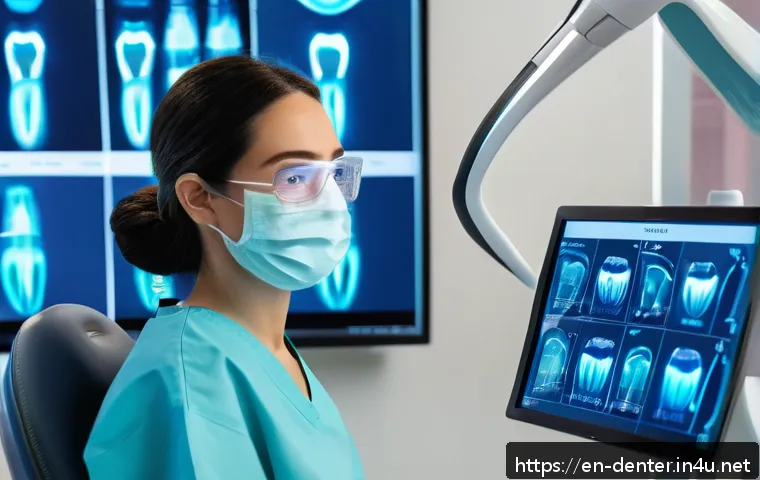
In today’s fast-paced dental industry, building genuine trust with patients has never been more crucial. With rising awareness around patient comfort and personalized care, dental hygienists play a pivotal role in shaping positive experiences.

I’ve noticed firsthand how simple etiquette shifts can transform anxiety into confidence during appointments. Whether you’re a seasoned pro or just starting out, mastering patient interaction isn’t just about technique—it’s about connection.
Let’s explore key tips that help create a welcoming atmosphere, making every visit smoother and more reassuring for your patients.
Crafting Comfort Through Communication
Listening Beyond Words
The way you listen to a patient speaks volumes before you even touch their teeth. It’s not just about hearing their concerns, but truly tuning into their emotions and fears.
When I started focusing more on active listening—nodding, maintaining eye contact, and reflecting back what they said—I noticed patients visibly relax.
It’s a subtle cue that says, “You’re being heard,” which breaks down walls of anxiety. Sometimes, they don’t even need you to solve their worries immediately; just the acknowledgment makes a huge difference.
This approach has helped me build rapport faster, especially with first-time visitors who are often nervous.
Using Warm, Reassuring Language
Words can either escalate stress or calm it down. Instead of clinical jargon, I try to use simple, friendly phrases like “Let’s take it one step at a time” or “You’re doing great.” It’s about creating a dialogue rather than a monologue.
Patients pick up on the tone, and a gentle voice paired with positive affirmations often shifts their mindset from fear to trust. I’ve found that even replacing “pain” with “discomfort” softens the experience and helps patients feel more at ease.
This kind of language choice shows empathy and respect for their feelings.
Body Language That Invites Trust
Your nonverbal cues are just as powerful as your words. Standing too close or looking distracted can unintentionally heighten anxiety. I make it a point to keep an open posture, smile genuinely, and avoid sudden movements.
When I lean in slightly while explaining a procedure, it creates a sense of collaboration rather than authority. This subtle body language signals that I’m approachable and invested in their comfort.
Over time, I’ve realized that these small gestures encourage patients to ask questions and share concerns they might otherwise keep to themselves.
Personalizing the Patient Journey
Remembering Details Beyond the Appointment
Patients appreciate when you recall small personal details—like their favorite hobby or a recent family event. I jot down quick notes after each visit, which helps me greet them personally next time.
This simple habit transforms a clinical visit into a meaningful interaction. It shows you see them as individuals, not just another appointment on the schedule.
I’ve had patients comment on how this made them feel valued, which naturally builds loyalty and trust.
Adapting Care to Individual Preferences
No two patients are alike in how they handle dental visits. Some want all the information upfront, while others prefer minimal details to avoid stress.
Learning these preferences early has allowed me to tailor my approach—whether that means explaining every step or offering calming distractions like music or guided breathing.
This flexibility requires attentiveness and sometimes a quick mental adjustment, but it pays off in patient satisfaction. When patients feel their needs are prioritized, their confidence in the care they receive skyrockets.
Creating a Predictable Environment
Uncertainty can fuel anxiety, so I try to provide clear expectations at every stage. Before starting, I explain what will happen, how long it might take, and what sensations they might feel.
When I say things like, “You might feel a little pressure here, but it will be quick,” it prepares them mentally and reduces surprises. This transparency builds a sense of control for the patient, which is empowering.
Over time, I’ve seen that patients who know what to expect come in with a calmer mindset and are more cooperative throughout the procedure.
Mastering the Art of Timing and Patience
Allowing Silence for Comfort
It might sound counterintuitive, but sometimes silence speaks louder than words. Rushing to fill every moment with chatter can overwhelm patients or come off as insincere.
I’ve learned to pause after explaining something or during a procedure, giving patients space to process or ask questions. This respectful pacing signals patience and empathy.
It’s like a gentle rhythm that matches their pace rather than forcing them to keep up with the clinic’s schedule. Patients often respond positively, feeling less pressured and more in control.
Managing Your Own Pace
Dental work can be repetitive and fast-paced, but slowing down when interacting with patients makes a huge difference. I remind myself that a few extra seconds spent on reassuring a patient can save time overall by reducing resistance or anxiety-driven movements.
This mindset shift has improved my efficiency because patients are more relaxed and cooperative. It’s a balancing act between maintaining clinic flow and honoring the human side of care, and I’ve come to appreciate that the latter is often the key to smoother appointments.
Responding to Patient Cues
Patients often communicate their comfort level nonverbally—tensing up, gripping the chair, or avoiding eye contact. Paying attention to these subtle signs allows me to adjust my approach in real-time.
For example, if I notice increased tension, I slow down, speak softly, or offer a break. This responsiveness reassures patients that their well-being is my priority.
Over time, I’ve become more attuned to these cues, making each visit less stressful for them and more fulfilling for me as a provider.
Leveraging Technology to Enhance Connection
Using Visual Aids to Explain Procedures
Sometimes, patients’ fears come from not understanding what’s happening inside their mouths. I use models, diagrams, and digital screens to visually explain procedures step-by-step.
This transparency demystifies the process and empowers patients to ask informed questions. When patients see exactly what I’m talking about, it reduces uncertainty and builds trust.
I’ve noticed that patients who receive visual explanations tend to be more engaged and less anxious during treatment.
Incorporating Patient Feedback Tools
Feedback isn’t just for the clinic’s improvement—it’s a way to show patients their voices matter. I encourage patients to share their experiences through surveys or informal chats after visits.
This ongoing dialogue highlights areas where I can improve my approach and also reinforces a patient-centered environment. When patients see their suggestions implemented, it strengthens their sense of partnership in their care journey.
Plus, it provides valuable insights that might not surface during busy appointment times.
Facilitating Appointment Reminders and Follow-Ups
Timely reminders and follow-ups show patients that you care beyond the chair. Automated texts or personalized calls help reduce no-shows and keep patients on track with their oral health.
I’ve found that a friendly message like “Looking forward to seeing you next week!” adds a personal touch that makes the practice feel more approachable.
Following up after treatment to check on comfort or answer questions further deepens trust and encourages continued engagement.
Balancing Professionalism with Warmth
Maintaining a Friendly Demeanor Without Overstepping
Striking the right balance between professionalism and friendliness can be tricky. I aim to be approachable and warm, yet respectful of boundaries. This means avoiding overly personal topics but still sharing small smiles or light humor when appropriate.

Patients respond well when they feel the hygienist is human and relatable but still focused on their care. This balance helps establish a safe space where patients feel comfortable voicing concerns without feeling like they’re intruding.
Dressing and Presenting with Confidence
Appearance influences first impressions, so I always make sure my uniform is clean and neat, and my posture confident. This conveys competence and respect for the patient’s experience.
I’ve noticed that patients often mirror this confidence; when you present yourself professionally, they’re more likely to trust your expertise. It’s a simple yet effective way to reinforce your role as a knowledgeable and caring provider.
Handling Difficult Situations with Grace
Not every interaction is smooth—sometimes patients come in frustrated or fearful. I’ve learned to stay calm and listen carefully, acknowledging their feelings without becoming defensive.
Offering clear explanations and potential solutions helps defuse tension. When you respond with empathy rather than impatience, it often transforms a challenging encounter into a positive one.
This ability to manage emotions gracefully reflects well on the entire practice and encourages patients to return.
| Patient Interaction Aspect | Key Approach | Expected Benefit |
|---|---|---|
| Active Listening | Maintaining eye contact, reflecting feelings, nodding | Builds immediate rapport and reduces anxiety |
| Language Choice | Using simple, positive, and empathetic phrases | Softens fear and fosters trust |
| Body Language | Open posture, genuine smile, gentle movements | Signals approachability and care |
| Personalization | Remembering personal details and preferences | Enhances patient loyalty and comfort |
| Patient Education | Visual aids and clear explanations | Demystifies procedures and empowers patients |
| Timing | Allowing silence, slowing pace, responding to cues | Reduces stress and improves cooperation |
| Follow-Up | Personalized reminders and post-visit check-ins | Increases engagement and retention |
| Professionalism with Warmth | Balanced friendliness, confident presentation | Creates a welcoming yet trustworthy environment |
Building Long-Term Patient Relationships
Consistency in Care and Communication
Patients notice when care is consistent, from how you greet them to how you handle follow-ups. I’ve found that maintaining the same positive tone and attentiveness every visit helps patients feel safe and valued.
Consistency builds reliability—a foundation for trust that encourages patients to keep coming back. It also reduces the stress of unpredictability, which is often a big factor in dental anxiety.
Encouraging Open Dialogue
Creating a culture where patients feel comfortable sharing concerns or questions at any time is crucial. I make it clear that no question is too small or silly, and I never rush responses.
This openness not only improves patient satisfaction but also ensures better outcomes because patients are more likely to follow care instructions when they understand and trust their providers.
Celebrating Progress Together
Acknowledging milestones—whether it’s improved oral hygiene, overcoming a fear, or completing a treatment plan—builds a positive narrative around dental care.
I like to celebrate these wins with patients, which makes the experience feel rewarding rather than just a routine chore. This positive reinforcement motivates patients to stay engaged and view their dental health as an ongoing partnership rather than a one-time event.
Empowering Patients Through Education
Tailoring Oral Health Tips to Individual Needs
Generic advice rarely sticks. I customize oral hygiene tips based on each patient’s lifestyle, habits, and dental condition. For example, recommending specific flossing techniques or tools that suit their dexterity or preferences has made a noticeable difference in compliance.
When patients see that advice is personalized and practical, they’re more likely to follow through.
Demonstrating Techniques Hands-On
Seeing is believing. I often demonstrate brushing and flossing techniques right in the chair using models or their own mouth mirror. This hands-on approach helps patients grasp the details that words alone can’t convey.
I’ve had patients tell me this was a game-changer for their routine, making them feel more confident in their self-care abilities.
Providing Accessible Resources
I share brochures, videos, and trusted online links tailored to the patient’s concerns and interests. Having these resources allows patients to revisit information at their own pace, reinforcing what we discussed.
It’s a way to extend the conversation beyond the appointment and empower patients to take charge of their oral health with reliable knowledge.
Creating a Calm Physical Environment
Optimizing the Clinic Ambiance
The clinic’s atmosphere can either soothe or heighten patient stress. I’ve noticed that small changes like soft lighting, calming colors, and gentle background music contribute significantly to patient relaxation.
These sensory elements create a welcoming environment that contrasts with the clinical feel many expect. Patients often comment on how the space helps ease their nerves even before the appointment starts.
Offering Comfort Items
Providing blankets, neck pillows, or noise-canceling headphones has been a simple yet effective way to enhance patient comfort. These little extras show that the clinic cares about their well-being beyond just dental work.
I’ve seen patients visibly relax when they can block out the noise or stay warm, which improves their overall experience.
Minimizing Wait Times and Streamlining Flow
Long waits can quickly undo all the calming efforts. I work closely with the team to ensure appointments start on time and patients aren’t left wondering what’s next.
Clear communication about any delays and offering a comfortable waiting area helps maintain trust. When patients feel their time is respected, their patience and mood improve dramatically, setting a positive tone for the visit.
Conclusion
Creating a comfortable and trusting environment in dental care goes beyond technical skills—it’s about genuine connection. By combining attentive listening, personalized communication, and thoughtful pacing, you can ease patient anxiety and foster lasting relationships. These small but impactful efforts transform routine visits into meaningful experiences that patients truly appreciate.
Helpful Information
1. Active listening helps patients feel acknowledged and reduces their stress during appointments.
2. Using simple, positive language can significantly improve patient comfort and cooperation.
3. Paying attention to body language, both yours and the patient’s, builds trust and openness.
4. Personalizing care based on patient preferences increases satisfaction and loyalty.
5. Incorporating technology and follow-ups enhances communication and patient engagement.
Key Takeaways
Effective dental care is rooted in empathy, clear communication, and adaptability. Prioritizing patient comfort through personalized interactions and a calm environment encourages cooperation and builds trust. Balancing professionalism with warmth and responding thoughtfully to patient cues ensures a positive experience that promotes long-term oral health and patient retention.
Frequently Asked Questions (FAQ) 📖
Q: uestionsQ1: How can dental hygienists reduce patient anxiety during appointments?
A: From my experience, simple gestures like explaining each step before starting, maintaining gentle eye contact, and offering reassuring words can significantly ease patient nerves.
Creating a calm environment with soft lighting and soothing music also helps. Patients often appreciate when hygienists acknowledge their fears openly and encourage questions, which builds trust and shifts anxiety into confidence.
Q: What are some effective ways to personalize patient care in dental hygiene?
A: Personalization goes beyond just knowing a patient’s name. I’ve found that asking about their comfort preferences, previous dental experiences, and even their day can make a big difference.
Tailoring communication style—whether more casual or professional—to match the patient’s vibe creates connection. Remembering small details for follow-up visits shows genuine care and helps patients feel valued and understood.
Q: Why is etiquette important in patient interactions, and what key etiquette should dental hygienists practice?
A: Etiquette sets the tone for the entire visit. Politeness, active listening, and patience demonstrate respect and professionalism. For instance, greeting patients warmly, maintaining a friendly tone, and avoiding medical jargon unless necessary keeps communication clear and comfortable.
Being attentive to body language and responding with empathy can turn a routine cleaning into a positive, confidence-building experience.