As the dental industry continues to evolve rapidly in 2024, experienced dental hygienists face unique challenges and exciting opportunities when considering career transitions.

Whether it’s adapting to new technologies, exploring leadership roles, or shifting into specialized fields, navigating these changes requires more than just clinical skills.
Having walked this path myself, I’ve seen how strategic planning and continuous learning can turn uncertainty into growth. If you’re thinking about your next move in dentistry, this post will offer practical insights to help you thrive in today’s dynamic landscape.
Let’s dive into how seasoned professionals are successfully steering their careers forward.
Embracing Technological Advances in Dental Hygiene Careers
Integrating Digital Tools into Daily Practice
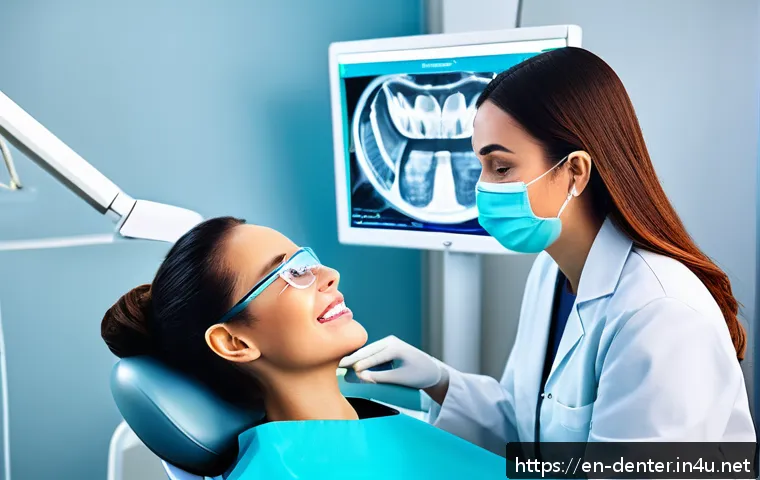
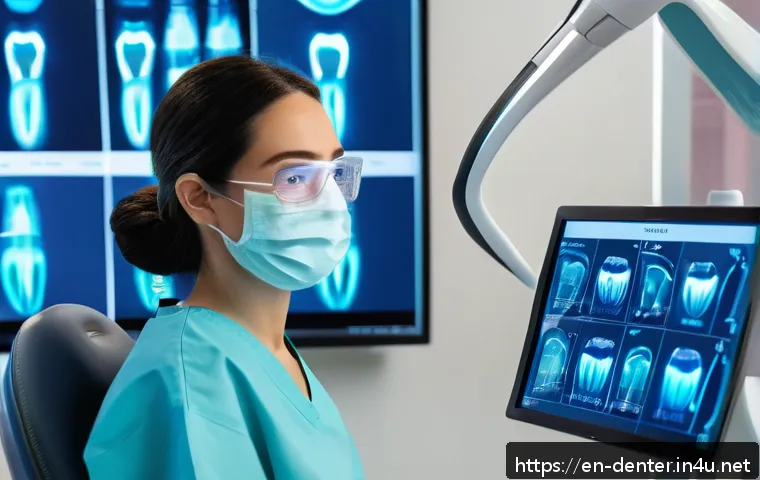
For seasoned dental hygienists, the rapid influx of digital technology can feel overwhelming but also invigorating. I remember when I first encountered intraoral scanners and AI-powered diagnostic tools—it was a steep learning curve, yet adopting these technologies significantly improved my efficiency and patient outcomes.
Embracing digital charting, 3D imaging, and even teledentistry means staying relevant and opening doors to innovative roles beyond traditional clinical settings.
The key is to approach these tools not as obstacles, but as allies that streamline workflows and enhance precision.
Training and Certification for Emerging Technologies
In my experience, seeking out specialized training programs and certifications for new dental technologies has been a game-changer. Many professional organizations offer courses tailored for hygienists eager to master laser therapy, CAD/CAM systems, or digital radiography.
These certifications not only boost confidence but also increase your marketability when exploring new job opportunities or leadership positions. Continuous learning keeps your skill set fresh and signals to employers that you’re proactive about growth.
Balancing Tech Adoption with Patient Care
While technology is exciting, it’s important not to lose sight of the human aspect of dental hygiene. I’ve found that blending advanced tech with empathetic patient communication creates the best results.
Patients appreciate when you explain how new tools improve their care and comfort. Plus, your ability to personalize treatment while using cutting-edge equipment sets you apart in a competitive field.
This balance is crucial for long-term career satisfaction and trust-building.
Transitioning into Leadership and Administrative Roles
Developing Soft Skills for Management
Moving from a clinical role into leadership demands more than clinical expertise—it requires strong communication, conflict resolution, and team management skills.
From my own journey, learning to delegate effectively and motivate colleagues was initially challenging but ultimately rewarding. Workshops on leadership and emotional intelligence can prepare you to handle the interpersonal dynamics that come with supervisory positions in dental offices or clinics.
Opportunities in Practice Management
Experienced hygienists often find that managing the operational side of a practice opens a new career avenue. Understanding billing, scheduling, and regulatory compliance adds valuable expertise.
I took a practice management course and realized how my clinical background gave me a unique perspective on improving patient flow and staff coordination.
This crossover knowledge is highly sought after, especially in busy or multi-location practices.
Building a Professional Network for Career Growth
Networking played a pivotal role when I transitioned into leadership. Joining dental associations, attending conferences, and participating in online forums helped me connect with mentors and peers who offered advice and job leads.
Building relationships with dentists, office managers, and fellow hygienists creates a support system that’s invaluable during career shifts. It’s about who you know as much as what you know.
Exploring Specialized Fields Within Dental Hygiene
Periodontal Therapy and Advanced Clinical Roles
Specializing in periodontal therapy has been a fulfilling path for many hygienists. In my case, pursuing additional education in this area allowed me to provide deeper care for patients with gum disease and even collaborate closely with periodontists.
Specialization often comes with higher earning potential and a chance to focus on complex cases that challenge your skills and knowledge.
Public Health and Community Outreach
Some hygienists transition into public health roles, working in schools, community clinics, or nonprofit organizations. This shift often requires learning about health education, policy, and program development.
I volunteered at a community dental clinic and witnessed firsthand how impactful preventive education can be, especially in underserved populations. It’s a career path that combines clinical expertise with a passion for social good.
Dental Hygiene Education and Mentorship
Teaching future hygienists or mentoring new graduates is another rewarding specialization. Sharing my clinical experiences and guiding newcomers helped me reflect on my own growth and stay connected to the latest educational trends.
This role often involves curriculum development and staying current with research, which keeps your career intellectually stimulating and influential.
Adapting Work Environments for Career Satisfaction
Shifting from Private Practice to Corporate or Hospital Settings

I transitioned from a small private practice to a large hospital system, and the change was eye-opening. Corporate environments often offer more structured schedules, benefits, and opportunities for advancement, but they also require adapting to different protocols and teamwork styles.
Understanding these nuances beforehand helps ease the transition and allows you to leverage your clinical skills in new ways.
Flexible and Part-Time Opportunities for Work-Life Balance
Flexibility is a priority for many experienced hygienists. Negotiating part-time roles, job sharing, or even per diem positions can provide a better work-life balance, especially for those managing family or other commitments.
I found that being upfront about my availability and priorities during job interviews helped me secure roles that fit my lifestyle without sacrificing professional growth.
Remote and Telehealth Roles in Dental Hygiene
Telehealth has become a viable option for some dental hygienists, particularly in patient education, consultation, and follow-up care. While hands-on treatment can’t be done remotely, these roles reduce physical strain and offer location flexibility.
Exploring telehealth options requires comfort with digital communication platforms and a proactive approach to patient engagement.
Financial Planning and Negotiation Strategies for Career Moves
Evaluating Salary Trends and Benefits Packages
Before making a move, I always researched current salary benchmarks and benefits to ensure fair compensation. Online salary calculators and professional association reports are great resources.
Benefits like continuing education allowances, retirement plans, and health insurance can sometimes outweigh a slight difference in base pay, so it’s important to look at the full package.
Negotiating Your Value with Confidence
Negotiation can be intimidating, but knowing your worth and presenting your unique skills confidently makes a difference. I prepared by listing my certifications, years of experience, and examples of improved patient outcomes to justify my salary requests.
Remember, negotiation is a standard part of hiring, and employers expect it—being professional and clear about your expectations benefits both parties.
Budgeting for Career Transition Expenses
Switching roles or specialties often comes with upfront costs like courses, certifications, or relocation. Planning a budget helps avoid surprises. I kept a dedicated fund for professional development and factored in potential unpaid time off for training.
This financial foresight made my transitions smoother and less stressful.
Summary of Career Transition Pathways and Key Considerations
| Career Path | Required Skills/Certifications | Typical Work Environment | Potential Challenges | Opportunities for Growth |
|---|---|---|---|---|
| Technology Integration Specialist | Digital imaging, CAD/CAM training, AI tools certification | Private clinics, tech-focused practices | Learning curve, staying updated with rapid tech changes | Higher efficiency, leadership in innovation |
| Practice Manager/Administrator | Leadership, billing, scheduling, compliance knowledge | Dental offices, multi-location practices | Managing diverse staff, balancing clinical and admin duties | Career advancement, broader impact on practice success |
| Specialist in Periodontal Therapy | Advanced periodontal courses, certification | Periodontist offices, specialty clinics | Complex cases, ongoing education | Higher pay, clinical specialization |
| Public Health Hygienist | Health education, community outreach skills | Schools, community clinics, nonprofits | Funding limitations, diverse patient needs | Social impact, varied work settings |
| Dental Hygiene Educator | Teaching credentials, curriculum knowledge | Colleges, training centers | Balancing teaching with clinical updates | Influence future professionals, academic growth |
| Telehealth Consultant | Digital communication, patient education | Remote, corporate settings | Limited hands-on care, tech reliance | Flexibility, growing field |
Closing Thoughts
Embracing new technologies and expanding your skills can transform your dental hygiene career in exciting ways. Whether stepping into leadership, specializing, or exploring flexible work environments, staying adaptable and proactive is key. Remember, your passion for patient care combined with continuous growth will always open doors to rewarding opportunities.
Helpful Information to Keep in Mind
1. Stay updated on the latest dental technologies by participating in workshops and certification programs to remain competitive.
2. Develop strong communication and leadership skills to smoothly transition into management or administrative roles.
3. Consider specialized fields such as periodontal therapy or public health to diversify your career options and increase earning potential.
4. Explore flexible work arrangements, including telehealth, to balance professional growth with personal well-being.
5. Always research salary trends and prepare to negotiate confidently, ensuring your value is recognized and rewarded.
Key Points Summary
Successfully navigating a dental hygiene career transition requires a balance of technical skills, interpersonal abilities, and strategic planning. Prioritize continuous education to keep pace with innovations, cultivate leadership qualities for advancement, and remain open to diverse work settings. Financial planning and networking are essential to support smooth changes and long-term satisfaction in your professional journey.
Frequently Asked Questions (FAQ) 📖
Q: uestionsQ1: What are the most important skills dental hygienists should develop to stay relevant in 2024?
A: Beyond clinical expertise, adaptability to new technologies like digital imaging and AI-driven diagnostics is crucial. Communication and leadership skills also matter more than ever, especially if you’re aiming for supervisory roles or patient education positions.
From my experience, embracing continuous education—whether through workshops, certifications, or online courses—helps you not only keep pace but stand out in a competitive field.
Q: How can experienced dental hygienists transition into leadership or specialized roles effectively?
A: Transitioning successfully means blending your clinical experience with strategic skill-building. I found that seeking mentorship and networking within professional organizations opened doors I hadn’t considered before.
Additionally, pursuing specialized certifications, such as in periodontal therapy or dental public health, can position you as an expert and boost your confidence for leadership roles.
Don’t underestimate the power of soft skills like team management and conflict resolution in these transitions.
Q: What challenges should I expect when shifting my dental career focus, and how can I overcome them?
A: Shifting your career often comes with uncertainty, from mastering new technologies to adapting to different workplace cultures. I’ve faced moments where the learning curve felt steep, but staying patient and setting small, achievable goals made a big difference.
It’s also helpful to stay connected with peers who have undergone similar transitions—they can offer practical advice and emotional support. Remember, resilience and a growth mindset are your best allies during these changes.