Navigating the world of dental hygiene internships can feel overwhelming, especially with the evolving demands of healthcare today. As more people prioritize preventive care, understanding what happens behind the scenes during these internships becomes crucial.
In this post, I’ll share real stories from the front lines and highlight key lessons that every aspiring dental hygienist should know. Whether you’re considering this path or just curious about the day-to-day experience, these insights will give you a clear picture of the challenges and rewards involved.
Let’s dive into a world where skill meets compassion, and learning never stops.
Building Practical Skills in Real-World Settings
Hands-On Patient Care
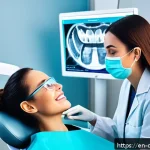
During dental hygiene internships, nothing beats the experience of working directly with patients. From my own time shadowing professionals, I found that applying classroom knowledge to real mouths sharpened my diagnostic skills faster than any textbook could.
You’ll quickly learn to assess oral health, perform cleanings, and educate patients on prevention techniques. The challenge is balancing technical precision with empathy—patients often feel anxious, and calming them while working efficiently is an art in itself.
Mastering Equipment and Technology
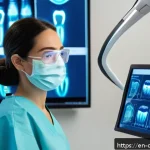
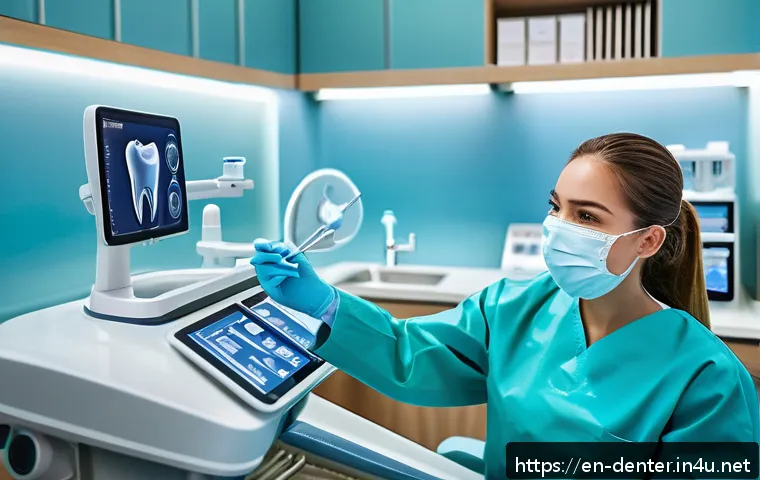
Internships expose you to the latest dental tools and software, which can be intimidating at first. I remember feeling overwhelmed by digital charting systems and ultrasonic scalers.
However, consistent practice and asking experienced hygienists for tips helped me gain confidence. Understanding the maintenance and proper use of equipment is crucial not only for patient safety but also for smooth clinic operation.
This tech-savvy experience is a huge plus when seeking employment later on.
Time Management Under Pressure
Clinic schedules are tight, and learning to manage your time while maintaining quality care is a skill you develop on the job. During my internship, I noticed that some days were frantic, with back-to-back appointments and unexpected complications.
Prioritizing tasks, staying organized, and communicating clearly with your team can make all the difference. Over time, you’ll find your rhythm and reduce stress, which benefits both you and your patients.
Understanding Patient Communication and Education
Building Trust Through Empathy
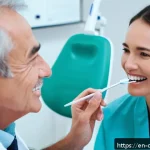
One of the most rewarding parts of an internship is seeing how effective communication transforms patient experiences. I’ve seen shy or fearful patients become more relaxed simply because the hygienist took time to listen and explain procedures clearly.
Developing this empathetic approach early on fosters trust, making patients more likely to follow preventive advice and return for regular care.
Tailoring Education to Individual Needs
No two patients are the same, and a big part of your role is customizing oral health education. During my internship, I learned to gauge patients’ knowledge levels and cultural backgrounds to deliver relevant guidance.
Whether it’s demonstrating flossing techniques or explaining the risks of tobacco, personalizing your message helps it stick. This skill will serve you well throughout your career.
Handling Difficult Conversations
Sometimes, you’ll face patients resistant to change or uncomfortable discussing their oral health habits. I recall moments when I had to gently address issues like poor hygiene or diet without sounding judgmental.
Developing tact and patience in these conversations is essential. Over time, you gain confidence in navigating sensitive topics, ensuring that patients leave informed rather than defensive.
Collaborating Within the Dental Team
Learning from Dentists and Assistants
An internship provides a unique window into how a dental office functions as a team. I found that observing dentists’ decision-making and assistants’ workflow helped me understand my role better.
Collaboration improves patient outcomes and clinic efficiency. Asking questions and seeking feedback from all team members enriches your learning and builds professional relationships.
Effective Communication and Coordination
Clear communication within the dental team is vital. During busy clinic days, I witnessed how quick, precise information exchange prevents errors and delays.
Whether it’s updating a dentist on a patient’s condition or coordinating appointment times, these interactions keep the practice running smoothly. Developing strong interpersonal skills is just as important as clinical expertise.
Handling Conflicts and Stress
No workplace is without occasional friction. Internships teach you how to manage stress and resolve conflicts constructively. I experienced situations where miscommunication caused tension, but addressing issues calmly and professionally helped maintain a positive environment.
Learning to stay composed under pressure is a valuable life skill beyond dentistry.
Adapting to Evolving Healthcare Standards
Staying Updated with Protocols
Healthcare regulations and best practices change frequently, and internships immerse you in this dynamic environment. I noticed that clinics regularly update sterilization procedures and patient safety protocols, especially in response to public health developments.
Staying informed and adaptable ensures you provide the highest standard of care and protects both patients and staff.
Incorporating Preventive Care Trends
Preventive dentistry is becoming the cornerstone of oral health, and internships reflect this shift. I observed how hygienists emphasize early detection and patient education to reduce the need for invasive treatments.

Learning to integrate these trends into daily practice prepares you for a future where prevention is prioritized over repair.
Embracing Digital Documentation
The transition to electronic health records and digital imaging is another evolving area. During my internship, adapting to new software was challenging but ultimately rewarding.
Digital tools improve accuracy and accessibility of patient data, making your role more efficient. Embracing technology is essential in today’s dental landscape.
Managing Emotional and Physical Demands
Dealing with Patient Anxiety and Fear
Working closely with patients means you’ll often encounter dental anxiety. I’ve learned that recognizing signs of fear and employing calming techniques—like deep breathing guidance or gentle conversation—can make a big difference.
Supporting anxious patients requires patience and compassion, but seeing their relief is incredibly fulfilling.
Physical Endurance and Ergonomics
Dental hygiene work demands long hours in sometimes awkward positions. During my internship, I quickly realized the importance of proper ergonomics to prevent strain and injury.
Stretching regularly and adjusting your posture helps maintain physical health. Clinics that prioritize ergonomic training create a safer work environment, which is vital for career longevity.
Balancing Emotional Investment
It’s natural to feel emotionally connected to your patients, but maintaining professional boundaries is key. I found it helpful to reflect on experiences and seek support from mentors when needed.
Developing resilience allows you to provide compassionate care without burnout, which is crucial in this demanding field.
Key Competencies and Skills Development
Technical Proficiency and Critical Thinking
Internships demand that you not only perform technical tasks but also think critically about patient care. I learned to analyze symptoms, anticipate complications, and make quick decisions under supervision.
This dual focus strengthens your competence and confidence, preparing you for independent practice.
Professionalism and Ethical Practice
Upholding ethical standards is a cornerstone of dental hygiene. During my internship, observing mentors handle confidential information and patient consent taught me the importance of professionalism.
You’ll develop a strong ethical foundation that guides your actions and builds trust with patients and colleagues alike.
Continuous Learning and Self-Improvement
The journey doesn’t end with the internship. I found that embracing a mindset of lifelong learning—seeking new knowledge, certifications, and skills—is essential.
The field evolves rapidly, and staying current keeps you relevant and effective. Your internship is just the beginning of a rewarding career path.
| Aspect | Challenge | Personal Tip | Outcome |
|---|---|---|---|
| Patient Communication | Handling anxiety and resistance | Practice empathy and clear explanations | Builds trust and improves compliance |
| Technical Skills | Mastering equipment and procedures | Ask questions and seek hands-on practice | Increases confidence and precision |
| Time Management | Balancing appointments and quality care | Prioritize tasks and stay organized | Reduces stress and improves efficiency |
| Team Collaboration | Coordinating with dentists and assistants | Communicate clearly and build rapport | Smoother workflow and better patient outcomes |
| Emotional Resilience | Dealing with stress and emotional strain | Reflect regularly and seek support | Prevents burnout and sustains compassion |
Closing Thoughts
Gaining hands-on experience during dental hygiene internships is invaluable for building both technical skills and emotional intelligence. The challenges you face will help you grow professionally and personally, preparing you for a successful career. Embracing learning opportunities and staying adaptable are key to thriving in this dynamic field. Remember, every patient interaction is a chance to make a positive impact.
Helpful Information to Know
1. Consistent practice with dental tools boosts confidence and improves precision over time.
2. Effective communication is essential for easing patient anxiety and fostering trust.
3. Prioritizing tasks and staying organized can significantly reduce stress during busy clinic days.
4. Collaborating closely with your dental team enhances patient care and office efficiency.
5. Maintaining emotional resilience helps prevent burnout and supports long-term career satisfaction.
Key Takeaways
Building real-world skills through internships combines technical proficiency with interpersonal growth. Developing empathy and clear communication improves patient relationships, while mastering equipment and managing time ensures clinical success. Strong teamwork and adaptability to evolving healthcare standards are vital. Lastly, balancing emotional and physical demands safeguards your well-being, making you a well-rounded and effective dental hygienist.
Frequently Asked Questions (FAQ) 📖
Q: uestions about Dental Hygiene InternshipsQ1: What are the main responsibilities of a dental hygiene intern during their internship?
A: As a dental hygiene intern, you’ll primarily assist with patient assessments, perform cleanings under supervision, and learn how to educate patients on oral health.
From my own experience, it’s not just about technical skills; you’ll also develop communication skills, especially when explaining preventive care to patients who might be nervous or unfamiliar with dental procedures.
Interns often rotate through different tasks, so expect a mix of hands-on work and observation, which helps build confidence gradually.
Q: How can I prepare myself to stand out during a dental hygiene internship?
A: Preparation goes beyond textbooks. I found that showing genuine eagerness to learn and being proactive in asking questions made a huge difference. Familiarize yourself with common dental tools and procedures beforehand, but also focus on soft skills like empathy and patience.
Time management is key, as clinics can get busy. Demonstrating professionalism—arriving early, dressing appropriately, and being respectful—also leaves a strong impression on supervisors and patients alike.
Q: What challenges should I expect, and how can I handle them effectively?
A: One challenge I encountered was managing patient anxiety while maintaining efficiency. Some patients may be fearful or uncomfortable, and it takes practice to balance care with timely service.
Another common hurdle is adapting to the fast-paced clinic environment, which can feel overwhelming at first. My advice is to stay calm, ask for guidance when needed, and remember that making mistakes is part of learning.
Building rapport with your team and maintaining a positive attitude will help you navigate these challenges smoothly.