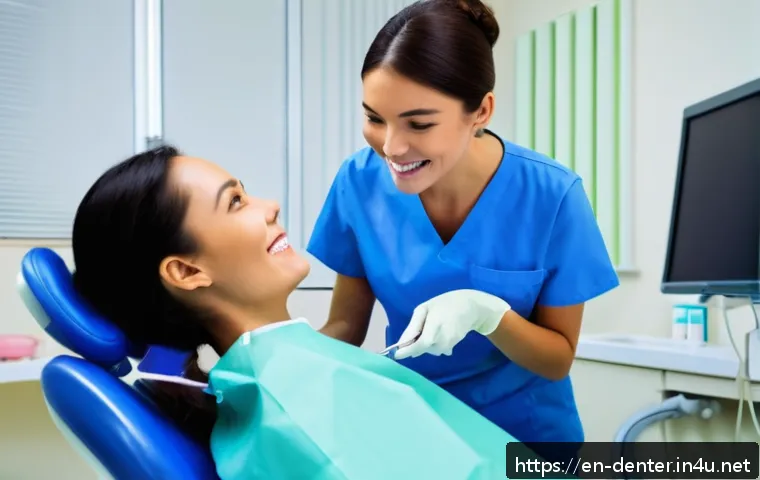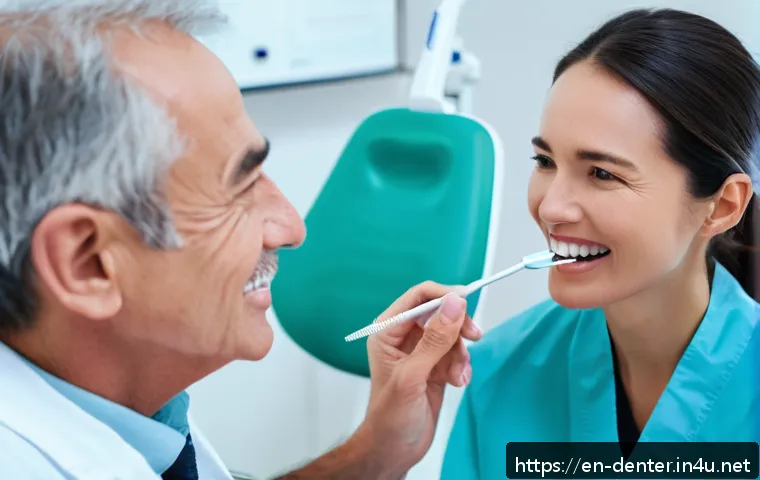
In today’s fast-evolving dental care landscape, patient success stories are more than just testimonials—they’re powerful insights that shape how care is delivered.

With the rise of personalized treatment and preventive focus, dental hygienist case studies are revealing transformative approaches that truly make a difference.
If you’ve ever wondered how behind-the-scenes care impacts long-term oral health, you’re about to discover compelling examples that highlight real-world results.
Stick around as we dive into these inspiring stories that not only showcase professional expertise but also redefine patient-centered care. This journey promises to change how you view dental hygiene and its critical role in overall wellness.
Enhancing Patient Engagement Through Customized Oral Care Plans
Understanding Individual Patient Needs
Dental hygiene isn’t a one-size-fits-all profession, and the moment you recognize this, the quality of patient care skyrockets. In my experience, listening closely to patients’ daily habits, dietary preferences, and even their anxieties about dental visits paints a clearer picture of their oral health risks.
One patient, for instance, revealed a sweet tooth habit that wasn’t initially obvious, which explained recurring cavities despite regular brushing. Tailoring advice to their lifestyle—like suggesting specific times to rinse or swap sugary snacks with healthier alternatives—made a noticeable difference within months.
This personalized touch builds trust and encourages patients to take ownership of their oral health, leading to better compliance and outcomes.
Implementing Preventive Strategies That Stick
Preventive care is the backbone of sustainable oral health. But it’s not just about handing out brochures or routine cleanings; it’s about creating actionable, realistic steps that patients can integrate into their daily lives.
I’ve found that breaking down complex dental concepts into relatable stories or simple analogies helps patients understand why flossing or using fluoride toothpaste isn’t negotiable.
For example, explaining plaque buildup like “sticky road grime on your teeth” made one patient visualize the process and commit to flossing regularly.
Following up during subsequent visits to celebrate small victories or adjust plans keeps motivation high and prevents backsliding.
Measuring Success: Tracking Progress Over Time
Tracking changes in oral health isn’t just clinical—it’s motivational for both patient and hygienist. Using charts and photos to visually document improvements helps patients see tangible proof of their efforts.
I recall a patient who was initially discouraged by gum inflammation; after six months of customized care and lifestyle adjustments, we compared before-and-after images, which sparked immense pride and a renewed commitment to maintenance.
Such visual evidence transforms oral hygiene from a chore into a rewarding journey, reinforcing positive habits and deepening patient-hygienist collaboration.
Building Trust Through Transparent Communication
Breaking Down Procedures and Expectations
Patients often come into the dental chair with uncertainty or fear, especially if they don’t fully understand what’s going to happen. I always take time to walk them through each step of the cleaning or treatment process in plain language.
This openness reduces anxiety and empowers patients to ask questions without hesitation. One memorable case involved a patient with a history of painful dental experiences; by carefully explaining every tool’s purpose and procedure, their fear transformed into curiosity and cooperation.
This approach not only eases the patient but also creates a smoother workflow during appointments.
Encouraging Honest Feedback for Continuous Improvement
Encouraging patients to share their experiences candidly has been invaluable. Sometimes, subtle discomfort or dissatisfaction goes unspoken, but inviting feedback helps identify issues that might otherwise hinder progress.
In one instance, a patient mentioned sensitivity during cleanings, which prompted me to adjust techniques and use gentler tools, drastically improving their comfort level.
This two-way communication fosters respect and shows patients their well-being is genuinely prioritized, strengthening the therapeutic relationship.
Creating a Supportive Environment Beyond the Clinic
Trust-building extends outside the treatment room. I’ve noticed that following up with patients through reminder messages, educational newsletters, or quick check-in calls after procedures makes them feel cared for on a deeper level.
This continued engagement reminds them they’re not alone in their oral health journey and encourages adherence to care plans. One patient once shared how a simple post-appointment text asking about their comfort made them feel valued and more committed to maintaining their dental hygiene routine.
Adapting to Technological Advances in Dental Hygiene
Incorporating Digital Tools for Precise Assessments
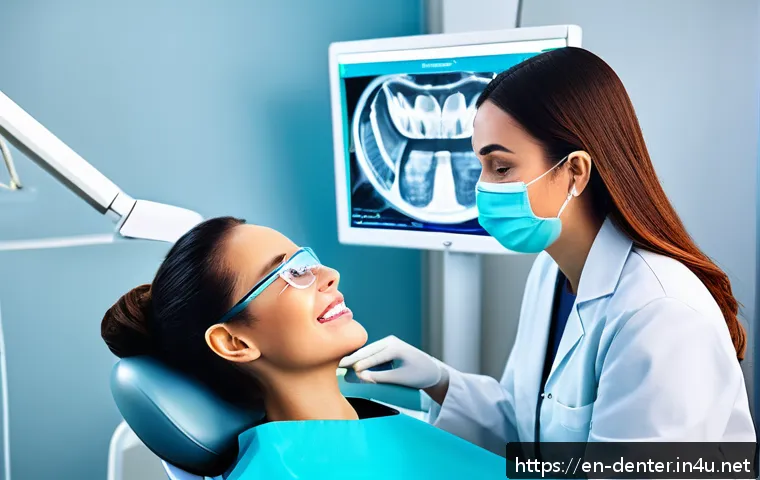
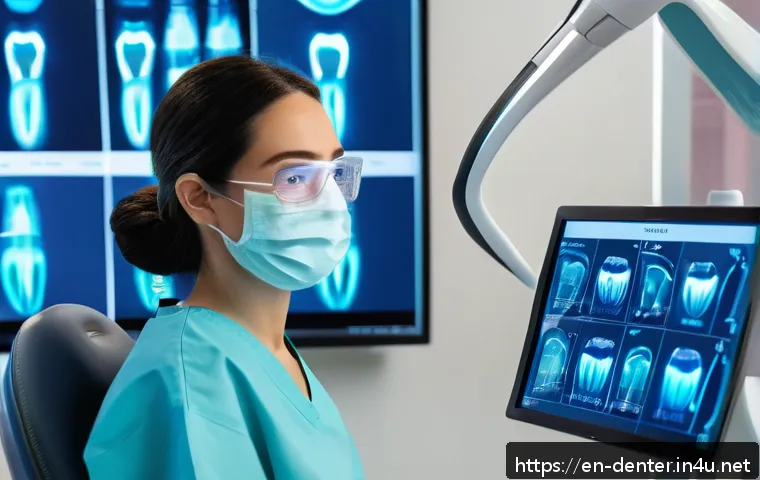
Technology has revolutionized how dental hygienists approach patient care. Using digital scanners and intraoral cameras, I can provide real-time visuals that help patients see exactly what’s happening inside their mouths.
This transparency builds trust and clarifies the need for specific treatments. For example, showing plaque accumulation or gum recession via high-definition images turns abstract concerns into clear, actionable issues.
Patients are often surprised by what they didn’t notice before, which motivates them to improve their daily hygiene habits.
Leveraging Software for Personalized Care Plans
Advanced software platforms enable tracking of patient histories, risk factors, and treatment outcomes more efficiently. By analyzing this data, I can tailor care plans with greater accuracy and anticipate potential problems before they escalate.
For instance, one patient’s recurring enamel erosion was flagged early through software alerts, allowing for timely intervention. These tools also streamline appointment scheduling and follow-ups, enhancing patient experience and clinic productivity.
Embracing Telehealth for Ongoing Support
Telehealth consultations have become an essential extension of dental hygiene care, especially for patients with mobility issues or busy schedules. Offering virtual check-ins allows me to monitor progress, answer questions, and adjust care recommendations without requiring an in-person visit.
This flexibility strengthens patient adherence and satisfaction. One patient, juggling work and family, appreciated the convenience of discussing concerns over video calls, which kept their oral health on track despite a hectic lifestyle.
Addressing Challenges in Patient Compliance
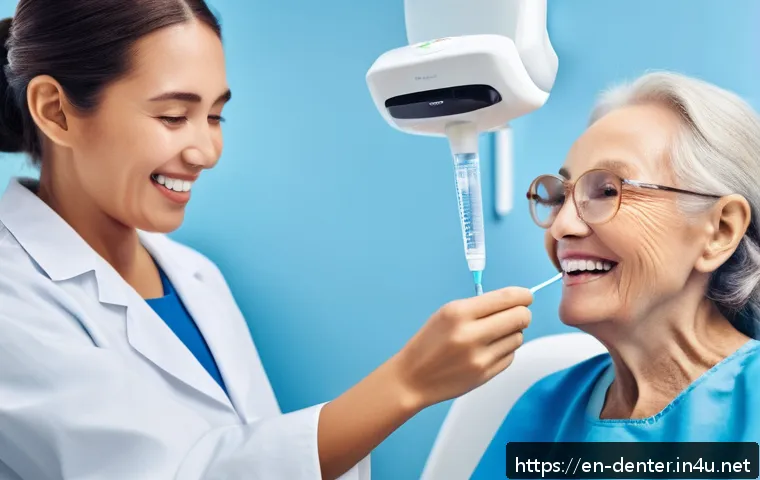
Identifying Barriers to Effective Oral Hygiene
Non-compliance often stems from obstacles like lack of time, forgetfulness, or even misinformation. Recognizing these hurdles early is crucial. I encountered a patient who struggled with flossing due to arthritis-related hand pain.
Instead of insisting on traditional floss, we explored alternatives like water flossers and interdental brushes, which were easier for them to handle.
Understanding personal limitations and adapting care recommendations accordingly transforms frustration into achievable progress.
Motivational Interviewing Techniques That Work
Motivational interviewing—a collaborative conversation style—has been a game changer in encouraging behavior change. By asking open-ended questions and reflecting patients’ feelings, I help them articulate their own reasons for improving oral health.
This method fosters intrinsic motivation rather than relying on external pressure. One patient, initially resistant to quitting smoking, gradually embraced the idea after exploring how tobacco impacted their gum health during our discussions, ultimately leading to cessation support and improved outcomes.
Celebrating Small Wins to Build Momentum
Acknowledging even minor improvements can significantly boost patient morale and commitment. I make it a point to highlight progress during each appointment, whether it’s reduced plaque, less bleeding, or consistent home care.
This positive reinforcement turns what might seem like slow progress into meaningful milestones, empowering patients to keep pushing forward. In fact, one patient told me that hearing praise for their effort was the key factor that kept them motivated over a long treatment period.
Collaborating with Dental Teams for Holistic Care
Coordinating With Dentists for Comprehensive Treatment
Effective patient outcomes often rely on seamless teamwork between dental hygienists and dentists. I regularly communicate findings, share patient concerns, and suggest follow-up treatments to ensure continuity of care.
This collaboration was particularly impactful in a case where early signs of periodontal disease were detected during a routine cleaning; prompt referral to the dentist for specialized treatment prevented disease progression.
Such coordination not only elevates patient care but also fosters professional growth and trust within the team.
Integrating Nutritional Counseling Into Oral Health Plans
Oral health is deeply connected to nutrition, yet it’s often overlooked. Partnering with dietitians or incorporating basic nutritional advice has enhanced patient outcomes in my practice.
Advising patients on how certain foods affect enamel or gum health complements mechanical cleaning efforts. For instance, recommending vitamin C-rich foods to support gum healing made a visible difference in patients struggling with inflammation.
This multidisciplinary approach enriches care and addresses root causes rather than symptoms alone.
Educating Patients About Overall Wellness Links
Dental hygienists are uniquely positioned to inform patients about the broader health implications of oral care. I’ve found that explaining connections between gum disease and systemic conditions like diabetes or heart disease encourages patients to prioritize oral hygiene more seriously.
Sharing stories or research findings in a relatable way helps patients see their mouth as part of a larger health picture, motivating them to adopt healthier habits that benefit their entire body.
Real-Life Transformations: Impactful Patient Case Summaries
| Patient Profile | Initial Challenge | Customized Approach | Outcome After 6 Months |
|---|---|---|---|
| Middle-aged smoker with gum inflammation | Severe bleeding and sensitivity during brushing | Motivational interviewing, smoking cessation support, gentle cleaning techniques | Significant reduction in bleeding, improved gum health, patient quit smoking |
| Young adult with frequent cavities | High sugar intake and poor flossing habits | Personalized dietary counseling, flossing education, digital progress tracking | Reduced cavity formation, consistent flossing routine established |
| Elderly patient with limited dexterity | Difficulty using traditional floss due to arthritis | Introduction of water flosser, regular telehealth follow-ups | Improved plaque control, higher patient satisfaction and adherence |
| Busy professional with oral dryness | Dry mouth symptoms causing discomfort and bad breath | Hydration strategies, saliva substitutes, nutritional advice | Enhanced comfort, decreased oral infections, better overall oral hygiene |
Conclusion
Customized oral care plans are key to improving patient engagement and outcomes. By understanding individual needs, leveraging technology, and fostering open communication, dental professionals can create lasting positive changes. Building trust and celebrating progress motivate patients to stay committed to their oral health journey. Ultimately, personalized care transforms routine dental hygiene into a meaningful and rewarding experience for both patients and providers.
Helpful Information
1. Personalized oral care enhances patient trust and adherence by addressing unique habits and challenges.
2. Using relatable explanations and follow-ups increases the effectiveness of preventive dental strategies.
3. Digital tools and telehealth expand access and precision in monitoring oral health progress.
4. Motivational interviewing and tailored solutions overcome common barriers to compliance.
5. Collaborating with dental teams and integrating nutrition advice supports holistic patient wellness.
Key Takeaways
Effective patient engagement depends on customizing care to individual lifestyles and challenges while maintaining transparent communication. Employing technology and motivational techniques improves adherence and satisfaction. Building a supportive environment inside and outside the clinic strengthens the patient-provider relationship and drives better oral health outcomes. Integrating multidisciplinary approaches ensures comprehensive care that addresses both symptoms and root causes, fostering long-term success.
Frequently Asked Questions (FAQ) 📖
Q: How do dental hygienist case studies improve patient care?
A: Dental hygienist case studies provide detailed insights into individual patient experiences, allowing practitioners to identify what works best in real-life scenarios.
By analyzing these cases, hygienists can tailor preventive strategies and treatment plans more effectively, leading to better long-term oral health outcomes.
From my own experience, seeing how personalized care adjustments directly helped patients maintain healthier gums and prevent cavities makes these case studies invaluable tools for continuous improvement.
Q: What role does personalized treatment play in modern dental hygiene?
A: Personalized treatment is at the heart of modern dental hygiene because every patient’s oral health needs are unique. Instead of a one-size-fits-all approach, dental hygienists assess individual risk factors like diet, genetics, and lifestyle to create customized care plans.
I’ve noticed that when patients receive care tailored specifically to their situation, they are more engaged in their oral health routines and often experience fewer complications.
This approach not only enhances patient satisfaction but also builds lasting trust between patients and providers.
Q: Why are patient success stories important beyond just testimonials?
A: Patient success stories go beyond mere testimonials by offering concrete examples of how specific dental hygiene practices impact real health outcomes.
They illustrate the effectiveness of preventive care and demonstrate the value of professional expertise in managing complex cases. From what I’ve observed, these stories motivate both patients and clinicians by showcasing achievable results, encouraging adherence to treatment, and fostering a patient-centered culture that prioritizes overall wellness—not just quick fixes.