Dental hygienists play a crucial role beyond just patient care—they can significantly impact a clinic’s financial health. By optimizing appointment scheduling, enhancing patient education, and streamlining treatment plans, they help boost overall efficiency and revenue.
Many practices have seen remarkable improvements in profit margins simply by empowering their hygienists with the right tools and training. As the dental industry evolves, understanding these strategies becomes essential for sustainable growth.
Let’s dive deeper and explore how dental hygienists can drive a practice’s success. I’ll guide you through the details ahead!
Maximizing Clinic Efficiency Through Strategic Scheduling
Prioritizing Preventive Care Appointments
Dental hygienists often serve as the frontline in promoting preventive care, which directly impacts a clinic’s scheduling dynamics. By encouraging patients to book regular cleanings and check-ups, hygienists help maintain a steady flow of appointments that prevent costly emergency visits down the line.
In my experience, clinics that emphasize preventive scheduling see fewer last-minute cancellations and higher patient retention rates. This not only smooths out daily operations but also creates a reliable revenue stream that supports long-term financial stability.
Utilizing Block Scheduling for Better Time Management
One technique I’ve seen work wonders is block scheduling—allocating specific time blocks for routine hygiene appointments, follow-ups, and new patient consultations.
This method reduces gaps between appointments and allows hygienists to focus on specific tasks without constant interruptions. From what I observed, it leads to a more predictable workday, less stress, and an overall boost in productivity.
Moreover, this structure helps the front desk team manage patient flow more effectively, minimizing bottlenecks and improving patient satisfaction.
Incorporating Digital Tools to Optimize Bookings
Digital scheduling platforms with automated reminders and easy online booking have revolutionized appointment management. Hygienists who take an active role in guiding patients through these tools see fewer no-shows and last-minute cancellations.
I personally noticed that when patients receive timely reminders via text or email, their compliance improves dramatically. Integrating these technologies into daily operations not only saves administrative time but also enhances the patient experience, leading to increased loyalty and higher clinic revenue.
Enhancing Patient Education to Increase Treatment Acceptance
Clear Communication of Oral Health Benefits
When dental hygienists invest time explaining the importance of oral hygiene and the risks of neglect, patients are more likely to comply with recommended treatments.
I’ve found that using simple, relatable language rather than technical jargon makes a huge difference in patient understanding and trust. This approach encourages patients to take ownership of their dental health, which often translates into acceptance of additional procedures that benefit both their well-being and the practice’s bottom line.
Visual Aids and Demonstrations for Better Engagement
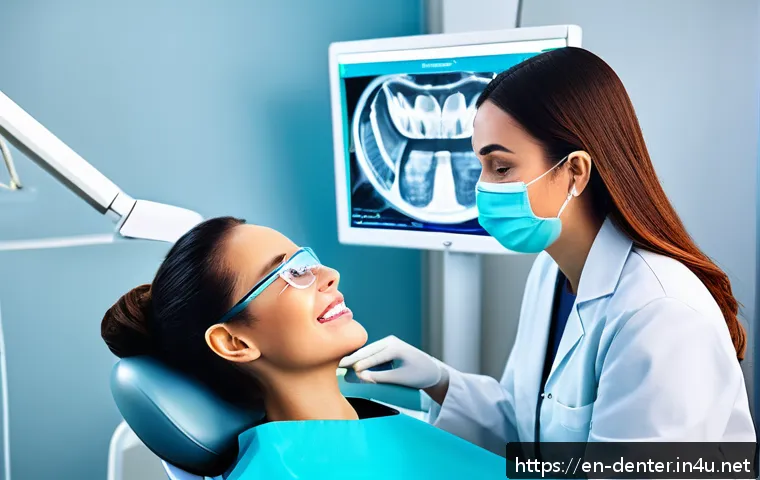
Incorporating visual tools like intraoral cameras and educational videos creates an interactive experience that can demystify complex procedures. From my observations, patients respond positively when they can see real-time images of their oral condition.
This transparency builds trust and motivates patients to follow through with suggested treatments. Hygienists who master these tools become invaluable educators, fostering stronger patient relationships and boosting treatment plan acceptance rates.
Personalized Oral Care Plans
Tailoring oral care advice to each patient’s unique lifestyle and dental history enhances the perceived value of hygiene visits. I’ve seen firsthand how personalized plans, including product recommendations and home care tips, make patients feel cared for and understood.
This personal touch encourages ongoing engagement and loyalty, which ultimately improves the clinic’s profitability by increasing repeat visits and treatment compliance.
Streamlining Treatment Coordination for Optimal Outcomes
Collaboration Between Hygienists and Dentists
Effective communication between dental hygienists and dentists is key to seamless treatment coordination. When hygienists proactively share observations and patient concerns, dentists can make timely decisions that prevent complications and reduce chair time.
Based on my experience, clinics that foster this teamwork enjoy smoother workflows and higher patient satisfaction, both of which contribute positively to financial performance.
Efficient Documentation and Follow-Up Systems
Accurate and timely documentation by hygienists ensures that treatment plans are clear and up-to-date. I’ve noticed that clinics with robust electronic health record systems empower hygienists to quickly update patient status and schedule follow-ups, minimizing missed opportunities for care.
This efficiency not only improves patient outcomes but also maximizes revenue by ensuring that all necessary treatments are tracked and completed.
Proactive Management of Treatment Plans
Dental hygienists who actively monitor patient progress and remind them about pending treatments help reduce attrition rates. In my observation, patients are more likely to complete multi-visit procedures when hygienists consistently follow up and address concerns.
This proactive approach leads to higher treatment completion rates and, consequently, increased clinic revenue.
Leveraging Hygienist Expertise for Patient Retention
Building Trust Through Consistent Care
Patients often develop strong bonds with their dental hygienists because of the personalized attention they receive during hygiene visits. I’ve seen how this trust encourages patients to remain loyal to a practice, even when they have options elsewhere.
Hygienists who prioritize empathy and communication create a welcoming environment that fosters long-term patient relationships, which is a cornerstone of sustained revenue.
Identifying Patient Needs Beyond Routine Cleanings
Experienced hygienists can spot early signs of dental issues that might otherwise go unnoticed. By educating patients on these findings, they open the door for timely interventions.
From what I’ve witnessed, patients appreciate this proactive care, which encourages them to accept additional services and maintain regular appointments—both of which are vital for a practice’s financial health.
Encouraging Referrals Through Positive Experiences

Satisfied patients often recommend their hygienists and clinics to friends and family. I personally know practices that have grown significantly through word-of-mouth, driven largely by hygienists’ ability to create positive patient experiences.
This organic growth is cost-effective and sustainable, providing a steady influx of new patients without heavy marketing expenses.
Implementing Advanced Training to Boost Hygienist Impact
Specialized Certifications and Skills Development
Investing in advanced training for hygienists, such as periodontal therapy or oral cancer screening, expands their scope of practice and value to the clinic.
I’ve observed that hygienists with specialized skills can offer additional services that increase revenue and improve patient outcomes. This professional growth also boosts their confidence, leading to better patient interactions and higher job satisfaction.
Continuous Education on Latest Dental Technologies
Keeping hygienists updated on cutting-edge tools and techniques is crucial for maintaining competitive advantage. From my experience, clinics that prioritize ongoing education see faster adoption of innovations that streamline workflows and enhance care quality.
Hygienists who are tech-savvy can introduce new procedures that attract patients seeking modern dental solutions, thereby increasing practice profitability.
Leadership Roles and Expanded Responsibilities
Empowering hygienists to take on leadership roles within the clinic, such as training new staff or managing patient education programs, fosters a culture of excellence.
I’ve noticed that this empowerment translates into higher morale and retention among hygienists, which reduces turnover costs. Moreover, it creates a more cohesive team that works efficiently to drive clinic success.
Measuring the Financial Impact of Hygienist-Led Initiatives
Tracking Revenue Growth from Hygiene Services
It’s essential to quantify how hygienist-driven strategies contribute to overall revenue. I recommend monitoring metrics like the number of hygiene appointments, treatment acceptance rates, and patient retention statistics.
By analyzing these data points, clinics can identify which initiatives yield the highest returns and refine their approaches accordingly.
Evaluating Cost Savings from Improved Efficiency
Streamlined scheduling and treatment coordination often reduce operational costs by minimizing downtime and avoiding redundant procedures. In my experience, these efficiencies translate into significant savings on staff overtime and resource utilization.
Regularly assessing these savings helps justify investments in training and technology that support hygienist effectiveness.
Patient Satisfaction as a Financial Indicator
Happy patients tend to spend more and remain loyal longer. I’ve found that incorporating patient feedback surveys and Net Promoter Scores provides valuable insights into service quality.
Clinics that respond to patient input and continuously improve their hygiene services often experience enhanced profitability through increased patient lifetime value.
| Initiative | Impact on Revenue | Operational Benefit | Patient Outcome |
|---|---|---|---|
| Preventive Appointment Scheduling | Steady income with fewer emergency visits | Reduced cancellations and smoother flow | Improved oral health maintenance |
| Patient Education with Visual Aids | Higher treatment acceptance rates | Enhanced engagement and trust | Better patient understanding and compliance |
| Advanced Hygienist Training | Expanded service offerings and revenue | Increased staff confidence and retention | Improved quality of care |
| Efficient Treatment Coordination | Maximized treatment completion | Streamlined workflows and documentation | Timely interventions and outcomes |
| Digital Scheduling Tools | Reduced no-shows, higher booking rates | Less administrative burden | Convenient patient experience |
Conclusion
Maximizing clinic efficiency through strategic scheduling and leveraging the expertise of dental hygienists significantly enhances both patient outcomes and practice profitability. Implementing these approaches creates a smoother workflow, fosters stronger patient relationships, and drives sustainable growth. Clinics that embrace these strategies position themselves for long-term success in a competitive healthcare environment.
Useful Information to Know
1. Prioritizing preventive care appointments reduces emergency visits and builds steady revenue streams.
2. Block scheduling helps minimize gaps, lowers stress, and improves overall productivity for hygienists.
3. Digital tools like automated reminders greatly decrease no-shows and enhance patient compliance.
4. Visual aids and personalized education empower patients to accept treatments more readily.
5. Advanced training and leadership opportunities for hygienists boost clinic performance and staff retention.
Key Takeaways
Strategic appointment management combined with proactive patient education and seamless treatment coordination creates an efficient, patient-centered clinic environment. Empowering hygienists through advanced skills and clear communication not only improves care quality but also drives financial growth. Embracing technology and fostering teamwork are essential for minimizing inefficiencies and maximizing patient satisfaction, ultimately strengthening the clinic’s competitive edge and profitability.
Frequently Asked Questions (FAQ) 📖
Q: How can dental hygienists improve a clinic’s financial performance beyond their clinical duties?
A: Dental hygienists contribute to a clinic’s financial health by optimizing appointment scheduling, which minimizes downtime and maximizes patient flow.
They also enhance patient education, helping patients understand the value of recommended treatments, which often leads to higher acceptance rates. Additionally, by streamlining treatment plans and collaborating closely with dentists, hygienists ensure efficient use of chair time and resources.
From my experience, clinics that empower hygienists with proper training and tools see noticeable boosts in revenue and overall efficiency.
Q: What specific tools or training should dental hygienists receive to impact revenue positively?
A: To make a real difference, dental hygienists benefit from training in communication skills that focus on patient motivation and education. Familiarity with practice management software allows them to assist in scheduling and follow-up processes effectively.
Tools such as digital charting systems and patient education apps can enhance their ability to explain procedures and preventive care, which encourages patients to commit to treatment plans.
I’ve observed that when hygienists are confident and tech-savvy, patients feel more engaged, leading to improved treatment compliance and increased clinic income.
Q: Why is it important for dental practices to involve hygienists in treatment planning and patient education?
A: Involving hygienists in treatment planning and patient education creates a more comprehensive care approach. Hygienists often spend more time with patients, building trust and addressing concerns that might otherwise be overlooked.
This relationship encourages patients to follow through with recommended treatments, which directly impacts the practice’s revenue. From what I’ve seen, clinics that integrate hygienists into the decision-making process experience smoother workflows, better patient satisfaction, and ultimately, higher profit margins.