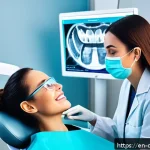
Landing a job as a dental hygienist requires more than just passion for oral health—it demands a specific set of skills, certifications, and hands-on experience.
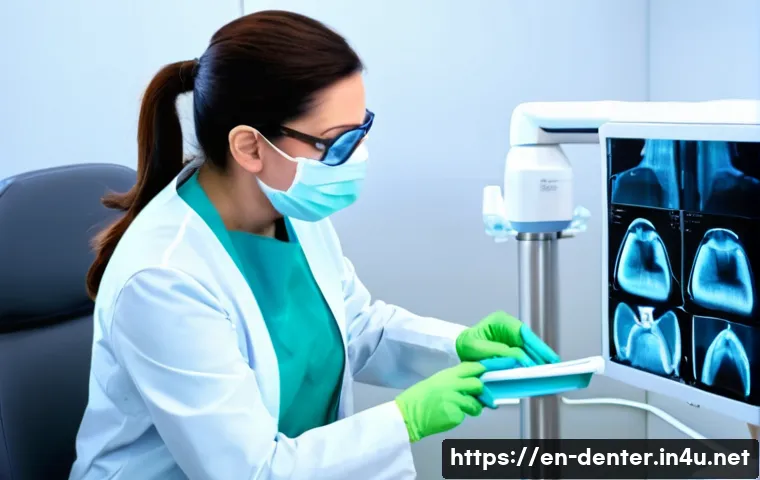
With the dental industry evolving rapidly, staying updated on the latest practices and regulations is crucial. Whether you’re just starting out or looking to advance your career, understanding these essential requirements can make all the difference.
From mastering clinical techniques to navigating licensing exams, each step plays a vital role in securing your dream position. Let’s dive deeper and uncover exactly what it takes to become a successful dental hygienist!
Building a Strong Educational Foundation
Choosing the Right Dental Hygiene Program
When considering a career in dental hygiene, selecting the right educational program is the first major step. Accredited programs, typically offered by community colleges, technical schools, or universities, provide the essential coursework and clinical practice needed to excel.
I remember when I was researching programs, the emphasis on accreditation by the Commission on Dental Accreditation (CODA) was critical—without this, you might face hurdles in licensing later on.
These programs usually last around two to four years, culminating in an associate’s or bachelor’s degree. It’s worth noting that a bachelor’s degree can open doors to advanced roles or specialties.
The curriculum generally covers anatomy, physiology, radiography, periodontology, and patient care, ensuring you’re well-rounded before stepping into a clinic.
Hands-On Clinical Experience Is Non-Negotiable
No amount of textbook knowledge can replace actual hands-on experience in dental hygiene. Accredited programs integrate clinical hours where you work directly with patients under supervision.
From my own experience, these real-world opportunities are invaluable—they teach you how to manage patient anxiety, handle dental instruments confidently, and perform thorough cleanings.
Clinical practice also helps you develop soft skills like communication and empathy, which are just as important as technical skills. Beyond formal education, some aspiring hygienists seek internships or volunteer roles in dental offices to gain extra exposure.
This practical experience is a significant factor that employers look for when hiring.
Understanding the Licensing Process
Licensing requirements vary by state but almost universally include passing the National Board Dental Hygiene Examination and a clinical board exam. I found preparing for these exams a bit nerve-wracking initially, but using practice tests and study groups really helped solidify my knowledge.
The national board focuses on theory, while the clinical exam tests your practical skills in a real or simulated environment. Staying current with state-specific regulations is crucial because some states require additional jurisprudence exams or continuing education credits.
Failing to meet these requirements can delay your ability to practice, so early preparation is key.
Mastering Essential Clinical Skills
Proficiency in Dental Cleaning Techniques
At the heart of dental hygiene is the ability to perform effective cleanings—scaling, root planing, and polishing. These procedures require precision and a delicate touch to avoid causing discomfort while ensuring the removal of plaque and tartar.
I recall my early days in the clinic when I struggled with controlling the ultrasonic scaler’s power settings, but consistent practice improved my technique drastically.
Mastery here not only impacts patient outcomes but also boosts your confidence and professional reputation. Staying updated on advancements in instruments and techniques is equally important to offer the best care.
Radiographic Skills and Safety Protocols
Taking and interpreting dental X-rays is a crucial skill for hygienists. Beyond simply capturing images, understanding radiation safety protocols protects both patients and staff.
Personally, learning how to position the X-ray sensor correctly and minimize retakes was a game-changer in improving efficiency. Familiarity with digital radiography software is increasingly demanded as dental offices modernize.
Moreover, knowing how to spot abnormalities in X-rays helps you collaborate effectively with dentists to detect early signs of decay or disease.
Effective Patient Communication and Education
No clinical skill is complete without the ability to educate and connect with patients. Dental hygienists often spend the most time with patients, so explaining procedures, oral hygiene practices, and preventive care is part of the job.
I’ve found that tailoring explanations to a patient’s age and background makes a huge difference—kids need different approaches than adults, for example.
Building trust encourages patients to follow through with recommendations and return regularly. Good communication also involves listening carefully to patient concerns and addressing dental anxieties with empathy.
Keeping Credentials Current Through Continuing Education
Why Lifelong Learning Matters in Dental Hygiene
The dental field evolves rapidly, with new technologies, materials, and best practices emerging constantly. I’ve noticed that staying engaged with continuing education not only keeps skills sharp but also opens up opportunities for advancement.
Many states require hygienists to complete a set number of continuing education hours to maintain licensure. This ongoing learning can include workshops, seminars, online courses, or professional conferences.
It’s a chance to deepen expertise in areas like periodontal therapy, oral pathology, or even practice management.
Balancing Work and Education
One challenge I’ve seen among dental hygienists is juggling full-time work with continuing education requirements. Fortunately, many organizations now offer flexible online courses that fit busy schedules.
Employers often support professional development by reimbursing course fees or providing paid time off for training. Prioritizing these learning opportunities is essential since skipping them can lead to lapses in licensure or missed chances to specialize.
Setting a personal plan for education every year helps ensure steady growth without burnout.
Certifications That Boost Career Prospects
In addition to state licensure, obtaining specialty certifications can differentiate you in the job market. For example, certifications in local anesthesia administration or laser therapy can qualify you for higher-paying roles or supervisory positions.
When I earned my local anesthesia certification, it expanded the range of services I could offer, which made me more valuable to employers. These credentials often require extra coursework and exams but are well worth the investment for career progression.
Developing Professional and Interpersonal Skills
Teamwork in a Dental Practice
Dental hygienists don’t work in isolation; they’re part of a larger dental team including dentists, assistants, and office staff. Effective collaboration ensures smooth patient flow and high-quality care.
I’ve learned that clear communication and mutual respect within the team can prevent errors and reduce stress during busy days. Understanding each team member’s role helps you anticipate needs and contribute proactively.
Plus, a positive workplace atmosphere improves job satisfaction and patient experiences alike.
Time Management and Organizational Abilities

Managing appointments, patient records, and treatment plans requires strong organizational skills. In my own practice, mastering time management helped me reduce patient wait times and increase daily productivity.
Using digital scheduling tools and checklists ensures nothing falls through the cracks. Being punctual and prepared not only reflects professionalism but also builds patient trust.
These skills become even more critical when working in fast-paced or multi-provider clinics.
Handling Difficult Situations with Patients
Not every patient interaction is smooth—some people come in anxious, in pain, or frustrated. Developing patience and empathy is essential for managing these moments effectively.
I recall a patient who was terrified of cleanings; by taking the time to explain each step and offering breaks, I was able to ease their fears significantly.
Learning conflict resolution and de-escalation techniques also helps maintain a calm environment. These interpersonal skills are just as vital as clinical expertise in building a successful career.
Understanding Employment and Career Growth Opportunities
Exploring Various Work Environments
Dental hygienists can find employment in diverse settings beyond traditional dental offices. These include public health clinics, hospitals, schools, and even corporate or research roles.
I once shadowed a hygienist working in a community health center, and it was eye-opening to see how preventive care impacts underserved populations. Each environment offers unique challenges and rewards, so knowing your preferences and strengths can guide your job search.
Flexibility in work setting often correlates with higher job satisfaction.
Negotiating Salary and Benefits
Entering the workforce means understanding your worth and negotiating compensation confidently. According to recent data, the median annual salary for dental hygienists in the U.S.
ranges widely depending on location and experience. When I started negotiating my salary, researching local averages and emphasizing my certifications made a big difference.
Benefits like health insurance, retirement plans, and paid time off also play a crucial role in overall compensation. Don’t hesitate to discuss these aspects during job interviews.
Planning for Career Advancement
Many dental hygienists aspire to move into leadership, education, or specialized clinical roles. Pursuing additional degrees or certifications, such as a Bachelor’s or Master’s in Dental Hygiene, can open doors to teaching positions or public health advocacy.
Some hygienists transition into sales or consulting roles within dental product companies. Mapping out your long-term goals early on and seeking mentorship can help you stay motivated and seize opportunities as they arise.
Essential Tools and Technologies in Modern Dental Hygiene
Embracing Digital Innovations
The shift toward digital dentistry has transformed how dental hygienists work. Tools like intraoral scanners, electronic health records (EHR), and digital radiography streamline patient care and documentation.
I found that learning to operate these technologies boosted my efficiency and accuracy. Being tech-savvy also enhances your appeal to employers who prioritize modernized practices.
Staying updated on emerging tools helps you maintain a competitive edge in the job market.
Maintaining Sterilization and Safety Standards
Strict adherence to infection control protocols is non-negotiable in dental hygiene. From sterilizing instruments to using personal protective equipment (PPE), these practices protect both patients and staff.
During the recent pandemic, I witnessed how enhanced safety measures became even more critical. Regular training and audits ensure compliance with OSHA and CDC guidelines.
Demonstrating a strong commitment to safety reassures patients and employers alike.
Table: Key Certifications and Their Impact on Career Growth
| Certification | Description | Benefits | Typical Requirements |
|---|---|---|---|
| Registered Dental Hygienist (RDH) | Basic licensure to practice dental hygiene | Allows legal practice in most states | Graduation from accredited program, passing national and state exams |
| Local Anesthesia Certification | Permits administration of local anesthesia | Expands clinical services, increases salary potential | Additional coursework and exam |
| Nitrous Oxide Sedation Certification | Authorization to administer nitrous oxide sedation | Enhances patient comfort, broadens treatment options | Specialized training and state approval |
| Certified Dental Radiographer | Certification in dental radiography techniques | Ensures compliance with safety standards, improves diagnostic skills | Training course and practical exam |
Closing Thoughts
Building a successful career in dental hygiene requires dedication to education, hands-on experience, and continuous learning. By mastering clinical skills and embracing professional growth, you can provide excellent patient care and open doors to diverse opportunities. Remember, staying adaptable and committed to your development is key to long-term success in this rewarding field.
Useful Tips to Keep in Mind
1. Always choose an accredited dental hygiene program to ensure eligibility for licensing and quality education.
2. Gain as much clinical experience as possible, whether through internships, volunteering, or supervised practice.
3. Prepare thoroughly for licensing exams using practice tests and study groups to build confidence.
4. Keep your credentials current by engaging in continuing education and pursuing specialty certifications.
5. Develop strong communication and teamwork skills to enhance patient care and work environment.
Key Takeaways
Starting with the right education and clinical experience forms the foundation of a dental hygiene career. Licensing requirements must be met diligently to practice legally and confidently. Ongoing education and certifications not only keep skills sharp but also expand career opportunities. Professional skills like communication, time management, and teamwork are essential for success. Finally, understanding the job market, negotiating compensation, and embracing technology can significantly impact your career growth and satisfaction.
Frequently Asked Questions (FAQ) 📖
Q: What certifications are required to become a licensed dental hygienist?
A: To become a licensed dental hygienist, you typically need to graduate from an accredited dental hygiene program and pass both a written national board examination and a clinical board exam.
These exams test your knowledge and practical skills, ensuring you meet the standards to practice safely. Additionally, some states require background checks and continuing education to maintain your license.
From my experience, staying proactive with renewals and extra certifications like CPR can really set you apart in this competitive field.
Q: How important is hands-on experience in landing a dental hygienist job?
A: Hands-on experience is absolutely crucial. Employers want to see that you not only understand theory but can confidently perform clinical tasks such as teeth cleaning, patient assessments, and using dental instruments.
Internships or externships during your education offer invaluable exposure. Personally, when I started, those clinical hours helped me feel more prepared and less nervous on my first day.
In fact, candidates with strong practical experience often get hired faster and have smoother transitions into full-time roles.
Q: How can I stay updated with the latest practices and regulations in dental hygiene?
A: The dental field evolves constantly with new technologies and updated health guidelines. To stay current, regularly attending professional workshops, webinars, and conferences is key.
Joining professional organizations like the American Dental Hygienists’ Association (ADHA) provides access to journals, resources, and networking opportunities.
I’ve found that subscribing to industry newsletters and engaging with online forums also helps me catch changes early. Staying informed not only boosts your confidence but also enhances the quality of care you provide.