Entering the dental hygiene field opens up a world of rewarding opportunities, but landing your first role can feel a bit overwhelming. Employers today are looking for more than just technical skills—they want candidates who demonstrate strong communication, adaptability, and a genuine passion for patient care.
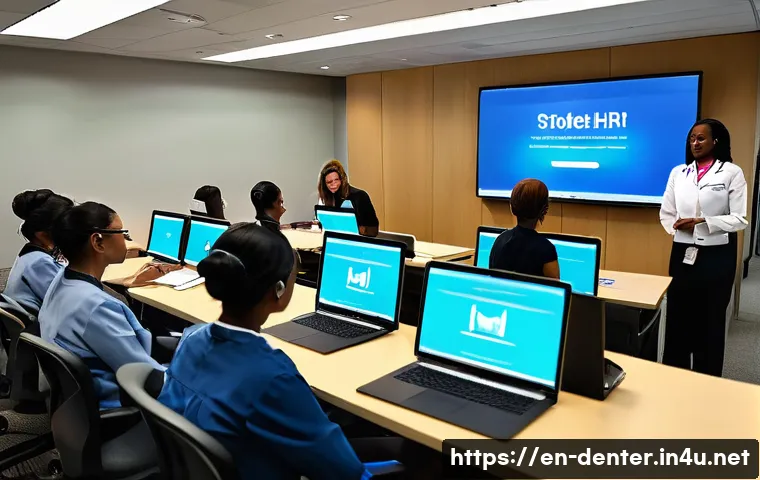
Whether you’re fresh out of school or transitioning from another healthcare role, understanding the current hiring landscape is crucial. Knowing what certifications, experience levels, and soft skills are in demand can give you a serious edge.
If you’re eager to kickstart your dental hygiene career with confidence, let’s dive into the specifics and get you fully prepared!
Essential Credentials and Certifications for Aspiring Dental Hygienists
Understanding Licensure Requirements Across States
Navigating licensure can feel like a maze, especially since each state in the U.S. has its own dental hygiene board with unique criteria. Most states require passing the National Board Dental Hygiene Examination alongside a regional or state clinical board exam.
Beyond these, some states also mandate background checks or continuing education for initial licensure. When I first pursued my license, I found that reaching out directly to the state board’s website clarified all the specific steps and timelines.
Don’t underestimate the value of starting early with this process, as it often takes several months to complete all requirements and receive your official license.
Staying organized and tracking deadlines can save you a lot of stress and keep you on track for a smooth entry into the profession.
Additional Certifications That Boost Employability
While the basic dental hygiene license opens many doors, additional certifications can significantly enhance your attractiveness to employers. Certifications in CPR, local anesthesia administration, or even specialized training in periodontal therapy often come up in job listings.
Personally, earning a CPR certification early on gave me confidence during clinical rotations and made me stand out during interviews. Some clinics also value familiarity with digital radiography or software used for patient records.
It’s a smart move to check job postings frequently in your target area to spot which certifications employers emphasize and pursue those proactively.
How Continuing Education Impacts Your Career Growth
Continuing education isn’t just a box to check; it’s a real game-changer for career advancement and maintaining licensure. Employers appreciate candidates who show a commitment to ongoing learning because it reflects dedication and keeps you updated on the latest dental techniques and safety protocols.
From my experience, attending workshops and webinars not only sharpened my skills but also expanded my professional network, which later helped me find job opportunities.
Many states require a certain number of continuing education hours annually, so getting into the habit of regular learning early will make future renewals hassle-free.
Mastering Communication Skills in Dental Hygiene Roles
Building Rapport with Patients
One of the biggest lessons I learned on the job is that technical skills only get you so far; connecting with patients is equally crucial. Patients often come in anxious or unsure, and your ability to listen, empathize, and explain procedures in plain language can transform their experience.
For example, I noticed that when I took a moment to ask about their comfort or concerns, it built trust and made treatments smoother. Employers look for dental hygienists who can create a calming environment and promote oral health education effectively, so practicing clear and compassionate communication is key.
Effective Collaboration with the Dental Team
Dental hygiene rarely happens in isolation. You’ll be working closely with dentists, assistants, and office staff, so teamwork and communication skills are vital.
During my first months at a busy clinic, I realized that proactively updating the dentist about patient progress and any concerns helped the entire workflow.
Being approachable and open to feedback also fosters a positive work environment. Employers highly value candidates who can seamlessly integrate into their team and contribute to efficient patient care.
Handling Difficult Conversations with Confidence
Sometimes, you’ll need to discuss sensitive topics like poor oral hygiene habits or treatment plans that involve extra costs. Knowing how to approach these conversations tactfully is a skill that comes with practice but can be cultivated early.
I once had a patient hesitant about a recommended procedure, and by patiently explaining the long-term benefits and answering their questions without pressure, I helped them make an informed decision.
Employers want dental hygienists who can educate and advocate for patients without causing discomfort or defensiveness.
Practical Experience and Its Role in Job Readiness
Clinical Rotations and Internships: Why They Matter
Clinical experience gained through rotations or internships is often the bridge between classroom theory and real-world practice. From my firsthand experience, these opportunities allowed me to refine my skills under supervision, learn to manage time efficiently, and adapt to different patient needs.
Many employers prefer candidates who have hands-on experience because it means less time spent on basic training. If you’re still in school or recently graduated, actively seek out diverse clinical placements to broaden your exposure and build confidence.
Volunteer Work and Shadowing to Supplement Experience
If formal clinical hours are limited, volunteering at community clinics or shadowing experienced hygienists can be invaluable. These experiences demonstrate initiative and a genuine passion for dental health, qualities employers find appealing.
I volunteered at a free dental clinic during a summer, and not only did I gain practical insights, but I also improved my patient interaction skills. Plus, these settings often expose you to a wider range of dental conditions and patient demographics, enriching your learning beyond the classroom.
Leveraging Experience When Switching Careers
For those transitioning from another healthcare role, highlighting transferable skills like patient care, infection control, and documentation is essential.
I had a friend who moved from nursing to dental hygiene and found that emphasizing her clinical background and adaptability during interviews made a strong impression.
Employers often appreciate candidates who bring diverse healthcare experiences because they tend to adapt quickly and bring a holistic approach to patient care.
Key Soft Skills That Employers Prioritize
Adaptability in a Fast-Paced Environment
Dental offices can be dynamic, with schedules shifting, emergencies popping up, and diverse patient needs. Being adaptable and maintaining composure under pressure is a trait that employers highly prize.
I remember one hectic day when multiple patients arrived late, and equipment malfunctioned, but staying flexible and focused helped the team get through it smoothly.
Demonstrating your ability to handle unexpected changes with a positive attitude will definitely set you apart.
Attention to Detail for Patient Safety
Accuracy in charting, sterilizing instruments, and following protocols directly impacts patient safety and clinic reputation. Early in my career, I learned that meticulousness prevents errors and builds trust with both patients and colleagues.
Employers seek hygienists who double-check their work, follow guidelines thoroughly, and take responsibility seriously. Sharing specific examples of how you maintain high standards can reinforce your reliability during interviews.
Empathy and Emotional Intelligence
Beyond technical proficiency, emotional intelligence helps you read patient cues and respond appropriately. During treatments, patients may feel vulnerable, and showing empathy makes a big difference in their comfort level.
I’ve found that simple gestures like a reassuring smile or explaining each step clearly ease anxiety. Employers look for candidates who not only perform tasks but also genuinely care about patient well-being, creating a supportive atmosphere in the office.
Understanding the Job Market and Salary Expectations
Current Demand for Dental Hygienists
The dental hygiene field is experiencing steady growth, thanks to increasing awareness of oral health and expanding dental insurance coverage. According to labor trends, many regions report a shortage of qualified hygienists, which means opportunities abound, especially in suburban and rural areas.
However, competition can be tougher in metropolitan centers, so tailoring your skills and certifications to local market needs is smart. I noticed that clinics in my area actively sought hygienists with experience in digital radiography and patient education, so I made sure to highlight those skills.
Salary Ranges and Factors Influencing Pay
Salaries for dental hygienists vary widely based on location, experience, and workplace setting. For example, hygienists in urban areas or specialized clinics often earn more than those in small private practices.
Entry-level positions might start around $30 to $40 per hour, but with experience and additional certifications, wages can increase significantly. I found that negotiating salary becomes easier when you can demonstrate unique qualifications or a proven track record during clinical rotations.
Employment Settings and Their Impact on Career Path
Dental hygienists work in diverse environments, including private dental offices, hospitals, public health clinics, and educational institutions. Each setting offers different experiences and benefits.
For instance, private practices may provide more consistent schedules, while public health roles might offer broader community impact and varied patient cases.
I personally enjoyed working in a private clinic for the steady pace but volunteered occasionally in community programs to stay connected with public health initiatives.
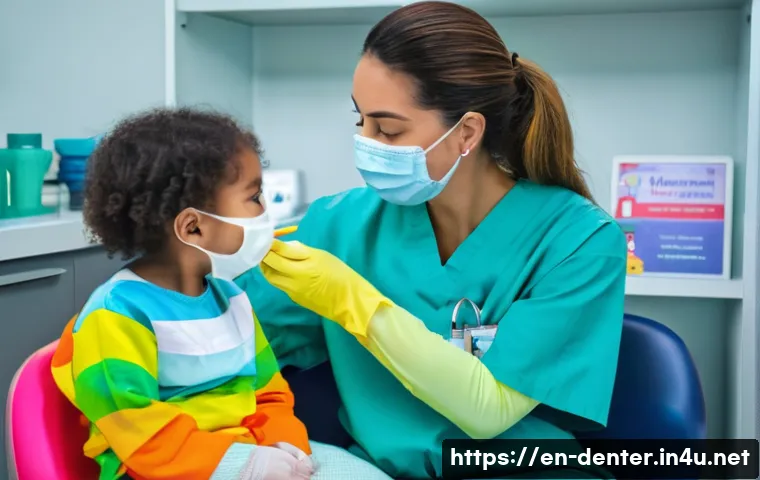
Understanding these options can help you choose a path that aligns with your long-term goals.
Preparing for Interviews and Crafting Your Resume
Highlighting Relevant Skills and Experiences
When it comes to your resume, specificity is key. Instead of listing generic duties, focus on accomplishments and skills that match the job description.
For example, mentioning your proficiency with electronic health records or successful patient education initiatives can catch an employer’s eye. I rewrote my resume several times before landing my first role, and tailoring it to each job application made a noticeable difference in callbacks.
Common Interview Questions and How to Tackle Them
Interviews for dental hygienists often include questions about handling difficult patients, teamwork experiences, and your approach to patient education.
Preparing thoughtful, real-life examples is a great strategy. I remember being asked how I manage patient anxiety, and sharing a story about using calming techniques during a challenging cleaning helped me connect with the interviewer.
Practicing answers out loud or with a friend builds confidence and helps you sound natural.
Demonstrating Professionalism and Passion
During interviews, your attitude and demeanor speak volumes. Showing enthusiasm for dental hygiene, a willingness to learn, and respect for patients and colleagues can leave a lasting impression.
I made it a point to express my genuine excitement about contributing to oral health and continuous growth in the field. Employers want to hire someone who not only meets qualifications but also fits well with their team culture and mission.
| Key Hiring Criteria | Details | Impact on Hiring |
|---|---|---|
| Licensure & Certifications | State-specific dental hygiene license, CPR, anesthesia, periodontal therapy | Mandatory for practice; extra certifications increase competitiveness |
| Clinical Experience | Internships, rotations, volunteer work | Reduces onboarding time; demonstrates real-world readiness |
| Communication Skills | Patient rapport, teamwork, handling sensitive conversations | Enhances patient satisfaction and clinic efficiency |
| Soft Skills | Adaptability, attention to detail, empathy | Ensures safety, flexibility, and positive patient outcomes |
| Market Awareness | Understanding job demand, salary ranges, work settings | Helps set realistic expectations and career planning |
| Interview Preparedness | Resume tailoring, answering behavioral questions, professionalism | Improves chances of job offers and employer confidence |
Leveraging Technology and Digital Tools in Your Practice
Familiarity with Digital Radiography and Imaging
Digital tools have revolutionized dental hygiene, and being comfortable with digital radiography is almost a must these days. When I first encountered digital x-rays during clinical rotations, it was a bit intimidating, but mastering the software and equipment boosted my efficiency.
Employers look for hygienists who can quickly adapt to new technology since it improves diagnostic accuracy and patient education. Taking online tutorials or workshops on these systems before starting your job can give you a significant advantage.
Using Electronic Health Records (EHR) Effectively
Accurate and timely documentation in electronic health records is critical for patient safety and legal compliance. I quickly learned that being detail-oriented and proficient with EHR systems reduced errors and improved communication within the dental team.
Some clinics use specific software like Dentrix or Eaglesoft, so familiarizing yourself with common platforms can be a plus. During interviews, mentioning your EHR experience or willingness to learn shows professionalism and readiness.
Incorporating Patient Education Apps and Tools
Many modern dental offices now use apps or digital platforms to help educate patients about oral hygiene, treatment plans, and follow-up care. I found that recommending these tools to patients increased their engagement and compliance.
Employers appreciate hygienists who embrace technology not only for clinical tasks but also for enhancing patient relationships. Exploring popular dental health apps and suggesting ways to integrate them into practice can make you stand out as an innovative candidate.
Building a Professional Network and Finding Mentors
Joining Professional Associations
Becoming a member of organizations like the American Dental Hygienists’ Association (ADHA) offers access to resources, job boards, and continuing education opportunities.
Early in my career, joining ADHA connected me with mentors and peers who provided invaluable advice and support. These associations also advocate for the profession, which can be inspiring and motivating as you grow.
Attending Conferences and Workshops
Industry events are not just about learning—they’re prime opportunities to meet potential employers and colleagues. At one conference, I struck up a conversation with a clinic director that later led to a job interview.
Taking the initiative to attend local or national events signals your dedication and eagerness to stay current in the field.
Seeking Out Mentorship for Career Guidance
Finding an experienced dental hygienist mentor can accelerate your development by offering personalized feedback and career advice. I was fortunate to have a mentor who helped me navigate early challenges and encouraged me to pursue advanced certifications.
Many employers also value candidates who have demonstrated a commitment to professional growth through mentorship relationships.
Strategies for Continuous Improvement and Career Advancement
Setting Short- and Long-Term Goals
Establishing clear goals helps keep your career trajectory focused and purposeful. Early on, I set targets for gaining specific certifications and mastering certain clinical skills within my first year.
Revisiting and adjusting goals regularly keeps motivation high and ensures steady progress. Employers appreciate candidates who show ambition and planning, as it often translates into better performance and retention.
Exploring Specializations Within Dental Hygiene
Dental hygiene offers several paths for specialization, such as pediatric care, periodontics, or public health. Exploring these options can open doors to niche roles with higher responsibility and pay.
I found shadowing specialists enlightening, and it helped me decide which area I wanted to deepen my expertise in. Specializing also signals to employers your commitment to excellence in a focused domain.
Investing in Leadership and Teaching Opportunities
Taking on leadership roles or becoming involved in training new hygienists can broaden your skills and increase job satisfaction. I volunteered to lead a workshop for dental assistant students, which improved my communication skills and boosted my confidence.
Leadership experience is a valuable addition to your resume and can pave the way to managerial or educational positions later on.
Conclusion
Becoming a successful dental hygienist requires more than just technical knowledge—it demands dedication, communication, and continuous growth. By understanding licensure requirements, gaining practical experience, and honing both hard and soft skills, you’ll be well-prepared to thrive in this rewarding career. Embrace learning opportunities and stay proactive to stand out in a competitive job market. Your passion for patient care will ultimately be your greatest asset.
Useful Information to Keep in Mind
1. Start early with state licensure applications to avoid delays and stay organized throughout the process.
2. Pursue additional certifications like CPR or anesthesia to enhance your employability and confidence.
3. Regularly engage in continuing education to maintain licensure and stay current with dental hygiene advancements.
4. Develop strong communication skills to build patient trust and collaborate effectively with your dental team.
5. Leverage technology such as digital radiography and EHR systems to improve efficiency and patient care.
Key Takeaways
Understanding and meeting state-specific licensure requirements is essential for practicing legally and confidently. Gaining hands-on clinical experience, whether through internships or volunteering, greatly improves job readiness and appeal to employers. Strong communication and soft skills not only enhance patient experience but also ensure smooth collaboration within dental teams. Staying informed about the job market, salary expectations, and technological tools will help you make strategic career decisions. Finally, preparing thoroughly for interviews and continuously investing in professional development are crucial steps toward long-term success in dental hygiene.
Frequently Asked Questions (FAQ) 📖
Q: What certifications do I need to become a dental hygienist, and are there any additional qualifications that can improve my chances of getting hired?
A: To work as a dental hygienist, you typically need to graduate from an accredited dental hygiene program and pass the National Board Dental Hygiene Examination along with a state or regional clinical board exam.
Beyond these basic certifications, having CPR certification is often required. Additionally, pursuing certifications in areas like local anesthesia administration or periodontal therapy can really set you apart.
Employers appreciate candidates who demonstrate a commitment to ongoing education, so showing that you’ve taken extra courses or workshops can boost your appeal significantly.
Q: How important are soft skills like communication and adaptability when applying for dental hygiene positions?
A: Soft skills are incredibly important in dental hygiene roles because you’re interacting closely with patients who may be anxious or unfamiliar with procedures.
Clear communication helps build trust and makes the experience more comfortable for patients. Adaptability is equally crucial since dental practices often have fast-paced environments with unexpected challenges, like sudden patient cancellations or equipment issues.
From my experience, employers value hygienists who can stay calm under pressure, explain procedures in simple terms, and collaborate smoothly with dentists and office staff.
Q: What kind of experience do entry-level dental hygienists need, and how can I gain relevant experience if I’m just starting out?
A: Entry-level positions usually require some hands-on clinical experience, which you get through your dental hygiene program’s clinical rotations. However, if you’re switching careers or need more practice, volunteering at community clinics or shadowing experienced hygienists can provide valuable exposure.
Internships or externships during your schooling are also excellent ways to build your resume. Many employers look for candidates who have demonstrated real-world patient care experience, so even part-time roles or assistant positions in dental offices can make a big difference when you’re starting out.